
Dental Blog

Our dental practice is dedicated to educating you with the latest tips and tricks to maintain your optimal oral health.

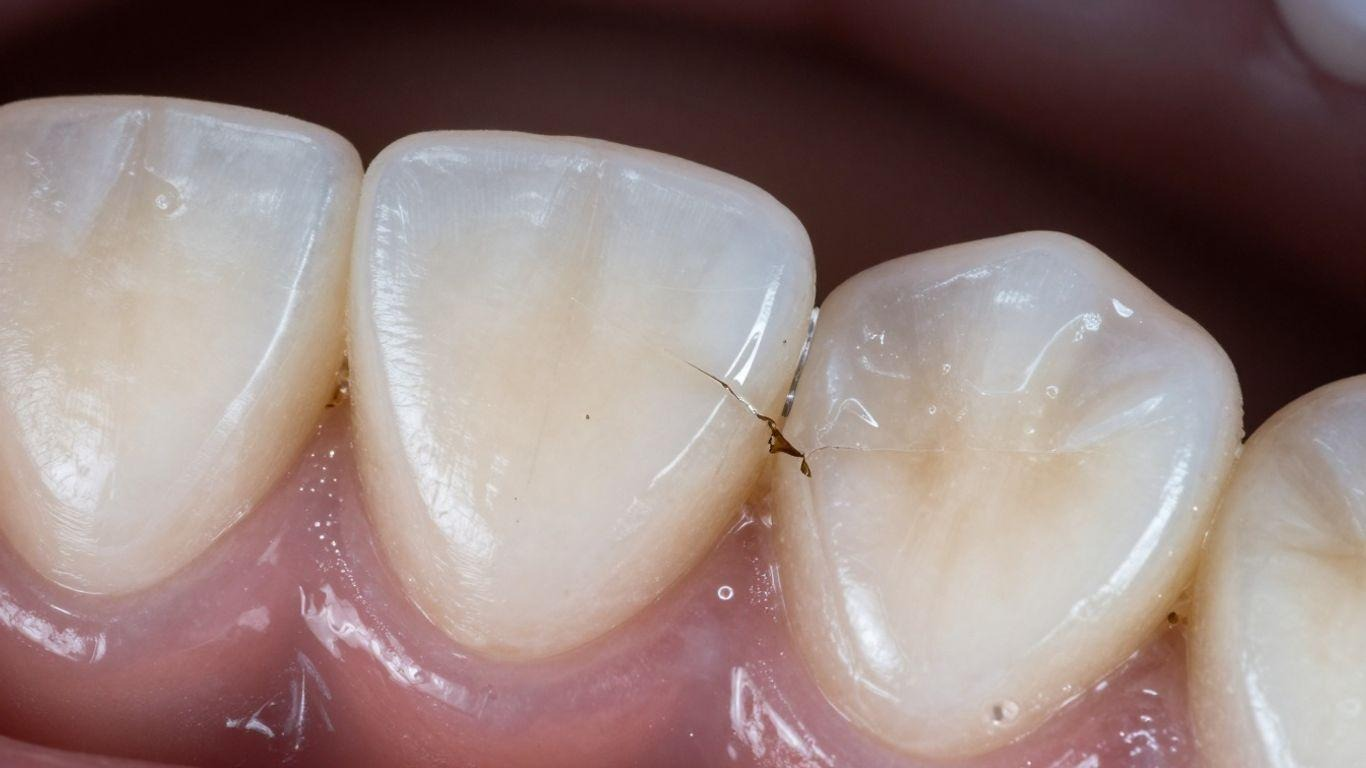
Why Do Dental Veneers Chip or Crack and How Can It Be Prevented?

Blog

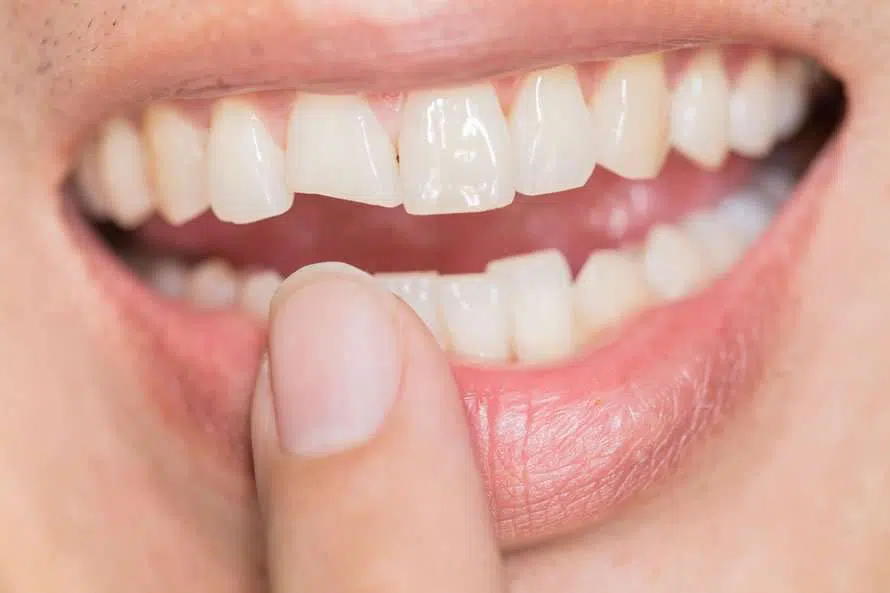
So, you've got these shiny new veneers, and you're loving your smile. But then, bam! You hear a little chip or notice a crack. It's a bummer, for sure. You might wonder, 'Why do dental veneers chip or crack?' Well, it's usually not because you're doing anything terribly wrong. Most of the time, it's a mix of everyday stuff and how the veneers were put on in the first place.

Common Causes of Chipped Dental Veneers

Chipping is probably the most common issue people run into with veneers. It's often a small edge chip, but it can still be annoying. Here are some of the usual suspects:


    Read More

    What Is the Difference Between Invisalign and Traditional Braces for Adults?

    Blog

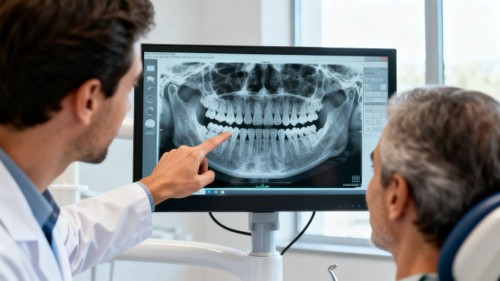
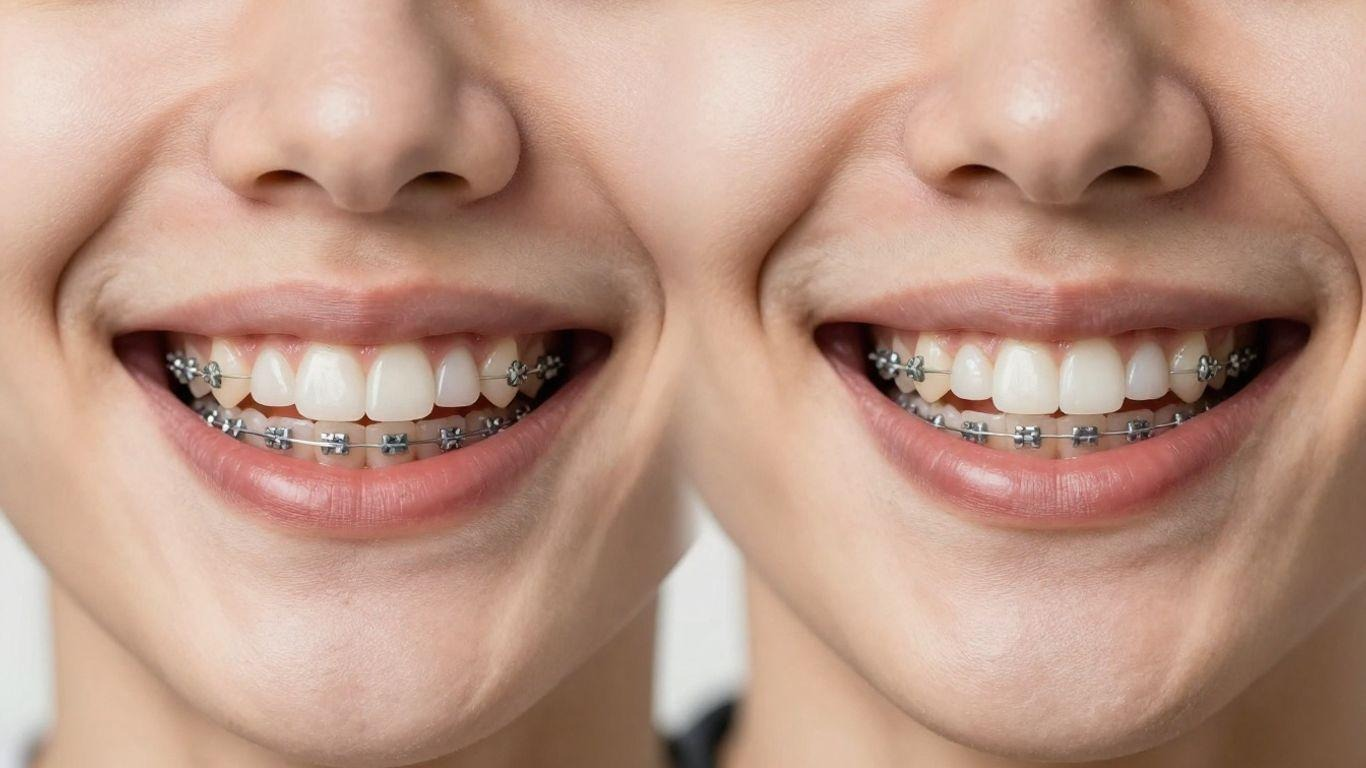
    So, you're an adult looking to straighten your smile, and you've heard about Invisalign and traditional braces. It's a common question: what's the real difference between these two popular options? Let's break down the basics of adult orthodontics, looking at Invisalign versus metal braces and clear aligners versus braces for adults.

    Difference Between Clear Aligners and Braces for Adults

    At their core, both Invisalign and traditional braces aim to do the same thing: move your teeth into a better position. The main difference lies in how they do it. Traditional braces use a system of metal brackets glued to your teeth, connected by wires that an orthodontist tightens periodically. Think of it as a tried-and-true method that's been around for ages. Invisalign, on the other hand, uses a series of clear, custom-made plastic aligners. You wear these aligners, swapping them out every week or two as your teeth gradually shift. They're designed to be nearly invisible, which is a big draw for many adults.


    Read More

    Invisalign vs Braces for Adults What Is the Real Difference?

    Blog

    So, you're an adult looking to straighten your teeth, and you've heard about Invisalign and traditional braces. It's a common dilemma, and honestly, figuring out the real difference between them can feel a bit overwhelming. Both aim to give you a straighter smile, but they go about it in pretty different ways, impacting your daily life and treatment experience.

    Which option gives faster results for adult teeth?

    When it comes to speed, it's not always a clear win for one over the other. Both Invisalign and braces can take anywhere from several months to a couple of years, depending on how complex your dental situation is. For simpler cases, Invisalign might sometimes feel a bit quicker because you're swapping out aligners every week or two, making steady progress. However, for really tricky stuff, like severe crowding or significant bite issues, traditional braces might actually be more efficient at moving teeth into their final positions.


    Read More

    How Dentures and Implants Work Together

    Blog

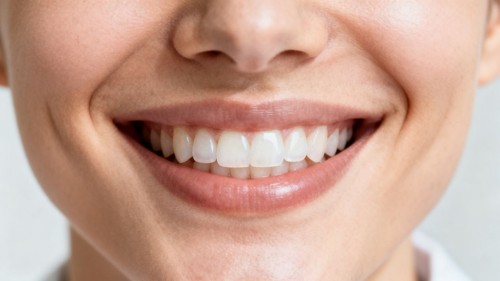
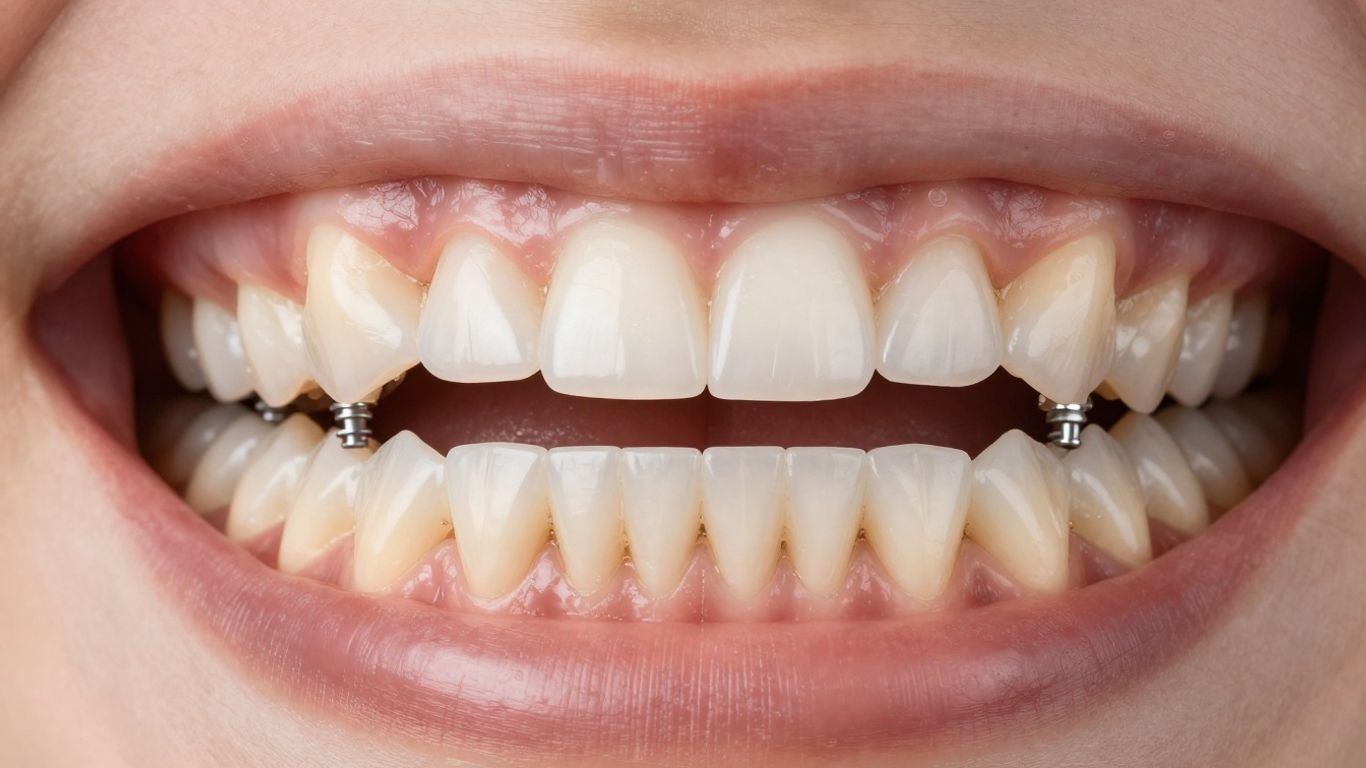
    So, you're wondering How Dentures and Implants Work Together? It's actually a pretty smart system that combines the best of both worlds for a much better smile.

    What makes implant supported dentures different from regular ones?

    Regular dentures, you know, the kind that just sit on your gums? They can be a bit… wobbly. They rely on suction or sometimes sticky stuff to stay put. Over time, your jawbone can shrink, and that makes them even less stable. It’s like trying to balance a plate on a jelly.


    Read More

    Gum Disease Warning Signs Every Adult Should Know

    BLOG

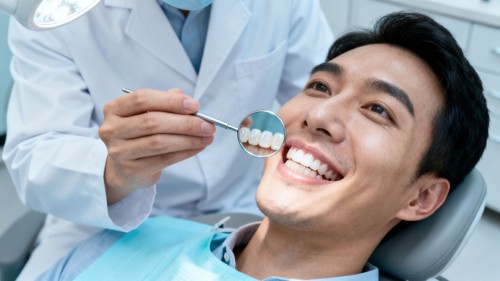
    Gum disease is a common issue, but it often doesn't show obvious signs early on. Many people think if their teeth look okay and don't hurt, everything is fine. However, this condition can start without you even noticing, and it's important to know the subtle indicators. Ignoring these early signs of gum disease can lead to more serious problems down the road, affecting not just your mouth but your overall health too. Let's talk about what you should be looking out for.


    Read More

    Cosmetic Dental Bonding Explained: What It Is and How It Works

    Blog

    You know, sometimes you look in the mirror and notice a little chip on your tooth, or maybe there’s a gap you’ve always been a bit self-conscious about. It’s easy to think fixing these things means a big, expensive dental trip. But what if I told you there’s a way to sort out those minor smile imperfections pretty quickly and without breaking the bank? It’s called dental bonding, and it’s become a really popular option for a reason. It’s a straightforward procedure that can make a noticeable difference, often in just one visit. If you’ve been wondering about a simple fix for chipped or gapped teeth, let’s get into what dental bonding is all about.


    Read More

    Why Floss Gets Stuck and What You Can Do About It?

    Blog

    It can be really frustrating when you're trying to do something good for your mouth, like flossing, and the floss just decides to get stuck. It’s not a fun feeling, and it can make you wonder if you're doing something wrong or if there's a bigger issue. But usually, it comes down to a few common things. The shape of your teeth and the spaces between them play a big role. Teeth aren't perfectly flat where they meet; they have curves and contours. These natural nooks and crannies are where food bits and plaque like to hide, and sometimes, they can grab onto the floss. If your teeth are packed in pretty tightly, there's just not much room for the floss to slide through easily, and it can get wedged. This article will explore why floss sometimes gets stuck in your teeth, what it means, and what you can do about it.


    Read More

    How to Relieve Pain From Dental Implant

    blog

    Getting a dental implant is a common way to replace missing teeth, but like any surgical procedure, some discomfort is expected afterward. While the surgery itself is done with anesthesia, the healing period can bring about some pain. Fortunately, there are many ways to manage this pain and help the healing process go more smoothly. This article will cover how to relieve pain after dental implant surgery, offer tips for a comfortable recovery, and explain when to seek professional advice.


    Read More

    What is Fluoride Treatment

    blog

    Thinking about your oral health? You might have heard about fluoride treatments, especially if you're looking for ways to keep your teeth strong and cavity-free. But what exactly is a fluoride treatment, and why is it such a common recommendation from dentists? It's a simple yet effective way to give your teeth an extra layer of protection against the everyday wear and tear they face. Let's break down what this dental procedure involves, who it's for, and what you can expect.


    Read More

    Can You Have Dental Veneers If You’re Missing a Tooth

    blog

    Losing a tooth can really throw off your smile, not to mention make eating and talking a bit tricky. It's more common than you might think, with millions of Americans missing at least one tooth. While many people think of implants or bridges for gaps, dental veneers can also be part of the picture, especially when combined with other treatments. Let's explore how veneers can help create a full, natural-looking smile, even when a tooth is missing.


    Read More