

Are Dental Veneers Removable Or Permanent
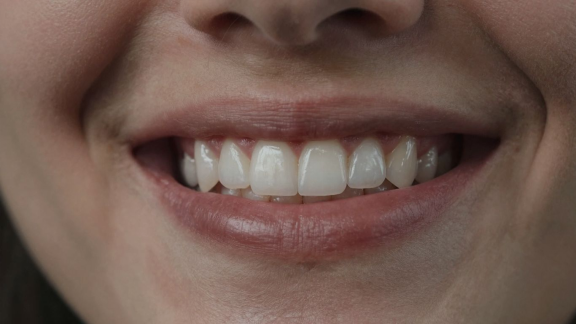
Many people consider dental veneers to fix their smile, but a common question pops up: are veneers removable or permanent? It's a big decision, and understanding the long-term implications is key. While the idea of a perfect smile is appealing, knowing whether these cosmetic enhancements can be taken off later is important. This article aims to clear up the confusion surrounding veneer permanence and removability.
Key Takeaways
- Traditional dental veneers are considered permanent because a small amount of tooth enamel is removed before they are bonded, making them non-reversible.
- While traditional veneers aren't easily removable, no-prep veneers require less enamel removal, making them a less permanent option.
- Snap-on or removable veneers are different from permanent dental veneers and are not a long-term solution for smile correction.
- If veneers are removed, teeth may become more sensitive, appear different, or require further dental work like bonding or crowns.
- Deciding between permanent and temporary options involves considering factors like the desired longevity, invasiveness of the procedure, and potential future needs.
Are Veneers Technically “Removable”? Understanding What Can and Can’t Be Taken Off
When people ask if dental veneers are removable, they're often wondering about the permanence of the procedure. It's a fair question, especially when considering a significant cosmetic change. The short answer is that while veneers can be removed, it's not quite like taking off a pair of shoes. Traditional veneers, particularly those made of porcelain, are bonded to your teeth in a way that makes them a long-term commitment. This is often because a small amount of your natural tooth enamel is reshaped or removed to ensure a proper fit and a natural look. Because enamel doesn't grow back, your teeth will have a different surface once the veneers are off.
So, to be clear, traditional dental veneers are not easily removable without professional intervention and potential changes to your natural teeth.
Think of it this way: the process of applying permanent veneers is largely irreversible. Once that enamel is gone, it's gone. This means that after removal, your teeth might be more sensitive, appear slightly different in shape or texture, and may require further treatment to restore their appearance and comfort. This could involve dental bonding, or even crowns, depending on the condition of your natural teeth post-removal.
However, not all veneers are created equal. Some types, often called "no-prep" veneers, are designed to be less invasive. These might be bonded with minimal or no enamel removal, making them easier to remove if needed. Still, "easier" doesn't mean "simple." Professional removal is always necessary.
Here's a quick look at what you might expect:
- Traditional Veneers: Require enamel removal, making them a permanent decision. Removal necessitates professional help and may lead to sensitivity.
- No-Prep Veneers: Involve little to no enamel removal, potentially making them simpler to take off. However, professional removal is still required.
- Snap-On Veneers: These are entirely different. They are temporary, custom-made covers that fit over your existing teeth and are easily removed at home. They are not the same as permanently bonded dental veneers.
The key takeaway is that if you're opting for the kind of veneers that are permanently bonded to your teeth for a lasting smile transformation, you should view them as a long-term solution. The decision to get them should be made after careful consideration and discussion with your dentist about all the implications, including what happens if you ever decide you no longer want them.
No-Prep Veneers: The Option Closest to “Removable”
When people talk about veneers that are almost "removable," they're usually thinking about no-prep or minimal-prep veneers. These are a bit different from the traditional kind. Think of them as a super thin shell that can sometimes be placed with very little, or even no, removal of your natural tooth enamel. This makes them a less invasive choice for improving your smile.
The main idea behind no-prep veneers is to preserve as much of your natural tooth as possible. Because they are so thin, they often don't require the significant enamel shaving that traditional veneers do. This means the process is quicker and often more comfortable for the patient. It's important to remember, though, that "no-prep" doesn't always mean zero prep. Sometimes, a tiny bit of enamel might be buffed away to help the veneer bond better and look more natural.
These veneers are custom-made, just like traditional ones, to fit your teeth perfectly. They can fix issues like slight discoloration, minor chips, or small gaps. Because they require less alteration to your natural teeth, they feel closer to a temporary solution, even though they are designed for long-term wear. However, they aren't suitable for everyone, and a dentist will need to check if your teeth and bite are right for this type of veneer.
While no-prep veneers are less invasive and closer to being "removable" because they alter your natural teeth less, they are still bonded to your teeth. They are not meant to be taken off daily like a retainer or a snap-on device. The goal is a stable, beautiful smile that lasts.
Snap-On Veneers and Why They’re Not the Same as Dental Veneers
You might have heard about "snap-on" or "flipper" teeth, and it's easy to see why people might lump them in with traditional dental veneers. They both aim to improve the look of a smile, after all. However, these are really quite different things.
Snap-on veneers are essentially a type of temporary cosmetic appliance, not a permanent dental restoration. They are usually made from a flexible plastic material and are designed to fit over your existing teeth. Think of them as a sort of "mouthguard" for aesthetics. They can be taken off easily, often at home, and are typically used for short-term cosmetic fixes or as a trial before committing to more permanent options. Because they aren't bonded to your teeth, you generally can't eat or drink with them in place, and they don't offer the same level of durability or natural appearance as custom-made dental veneers.
Here's a quick look at how they stack up:
- Snap-On Veneers:
- Material: Often flexible plastic.
- Attachment: Fit over teeth, not bonded.
- Removability: Easily removed by the patient.
- Functionality: Primarily cosmetic, usually not for eating.
- Longevity: Temporary, short-term use.
- Dental Veneers (Porcelain/Composite):
- Material: Porcelain or composite resin.
- Attachment: Bonded to the tooth surface, often after minor enamel preparation.
- Removability: Not easily removable by the patient; requires professional intervention.
- Functionality: Can be used for eating and drinking normally (with care).
- Longevity: Long-term, durable solution.
So, while both might cover up imperfections, the way they work and their permanence are worlds apart. Dental veneers are a significant commitment to improving your smile's appearance for years to come, whereas snap-on options are more like a temporary disguise.
Factors That Help Patients Decide Between Long-Term and Temporary Options
Deciding whether to go with a more permanent veneer solution or a temporary option really comes down to what you're hoping to achieve and your comfort level with irreversible changes. It's not a one-size-fits-all situation, and what works for one person might not be the best fit for another.
The biggest factor is often the patient's commitment to the aesthetic change. If you're looking for a lasting fix for chipped, discolored, or slightly misaligned teeth, traditional porcelain veneers are a fantastic choice. They're bonded securely and designed to look and feel like natural teeth for years, often 10 to 15 years or more with good care. This means you're committing to them as part of your smile. On the other hand, if you're unsure about permanently altering your teeth, or if you need a temporary solution for a specific event, then exploring options that don't require enamel removal might be more suitable. These might include no-prep veneers or even temporary cosmetic solutions.
Here are some things to think about:
- Desired Longevity: Are you looking for a solution that lasts a decade or more, or is this a short-term fix?
- Tooth Preparation: Are you comfortable with a small amount of enamel being removed from your natural teeth? This is a key difference between traditional veneers and some newer, no-prep styles.
- Budget: While both options are an investment, the cost can vary. Permanent veneers are generally a larger upfront investment.
- Maintenance: While all dental work requires care, permanent veneers are integrated into your oral hygiene routine. Temporary options might have different care instructions.
- Future Plans: Do you anticipate needing other dental work down the line? Discussing this with your dentist can help align your veneer choice with your overall dental health goals.
It's really about weighing the permanence of the change against the desired outcome. Talking through these points with your dentist is the best way to figure out which path is right for your smile and your lifestyle.
What to Expect If You Ever Need Veneers Removed or Replaced
So, you've had veneers for a while, and maybe you're thinking about a change, or perhaps something happened and they need to come off. It's totally normal to wonder what that process is like. Removing veneers isn't quite like taking off a pair of glasses; it's a dental procedure. The exact experience really depends on the type of veneers you have and how they were originally placed.
When it comes time for veneer removal, your dentist will first take a good look at your current situation. They'll check the condition of the veneers themselves and, more importantly, your natural teeth underneath. The actual removal process involves carefully detaching the veneer material from your teeth. If your veneers were bonded with a strong adhesive, this might take a bit more time and gentle work. How are veneers removed? It's done with specialized dental tools, and the goal is always to be as careful as possible.
Once the veneers are off, the focus shifts to your natural teeth. What do your teeth when veneers are removed look like? This is where things can vary. If enamel was removed to prepare for traditional veneers, your teeth might be more sensitive. They could also appear a bit different in shape or color than you remember. If you had no-prep veneers, where little to no enamel was shaved off, your teeth are likely to be in better shape, though they might look slightly altered.
Here’s a general idea of what might happen after removal:
- Sensitivity: Exposed enamel can make your teeth more sensitive to hot, cold, or even air.
- Appearance: Your natural teeth might show signs of wear or look less uniform.
- Need for Further Treatment: Depending on the condition, your dentist might suggest treatments like dental bonding to fix minor issues, or perhaps crowns if more significant restoration is needed.
It's also common for people to decide they want a new set of veneers after having the old ones removed. This is a great option if you're still looking for that cosmetic improvement. Alternatively, if your teeth need more substantial work, dental crowns could be a good choice for strength and coverage. For simpler adjustments, dental bonding might be sufficient.
The decision to remove or replace veneers is a significant one. It's always best to have a thorough discussion with your dentist about the condition of your teeth and book an appointment to ensure proper evaluation of the condition of your teeth and the most suitable options for restoring your smile's appearance and health.
So, Are Veneers Permanent or Not?
When it comes down to it, traditional dental veneers are a pretty permanent choice. Because a little bit of your natural tooth surface usually gets reshaped before they're put on, you can't just take them off and put them back on whenever you feel like it. Think of it as a long-term commitment to a brighter smile. While they aren't something that lasts forever without any attention – they might need a refresh after many years – they're definitely not a temporary fix you can remove daily. If you're thinking about veneers, it's a good idea to chat with your dentist about what this means for you and your smile in the long run. Contact Lewiston and Clarkston Dentist today and take the first step toward a healthier, more confident smile.
Frequently Asked Questions
Are traditional dental veneers permanent?
Traditional dental veneers are considered a permanent cosmetic solution. This is because a small amount of tooth enamel is usually removed before the veneers are bonded to the teeth. Since enamel doesn't grow back, you'll need to wear some form of veneer or restoration on those teeth from then on.
Can dental veneers be removed?
While traditional veneers are bonded permanently, some types, like no-prep veneers, might be removable because they require little to no enamel removal. However, any veneer removal should only be done by a dental professional to avoid damaging the natural teeth.
What happens if veneers are removed?
If enamel was removed during the veneer placement, your natural teeth might become more sensitive after the veneers are taken off. They might also look different or feel rougher. In some cases, further dental work like bonding or crowns might be needed to restore the teeth's appearance and function.
What are 'snap-on' or 'removable' veneers?
Snap-on or removable veneers are different from traditional dental veneers. These are custom-made covers that fit over your natural teeth, and you can take them out yourself. They are not permanently bonded and are often used for temporary cosmetic improvements, but they can sometimes make eating and speaking more difficult.
How long do dental veneers typically last?
The lifespan of dental veneers varies. Porcelain veneers, when cared for properly, can last anywhere from 10 to 15 years, and sometimes even longer. Composite resin veneers might last about 5 to 7 years. Regular dental check-ups are key to making them last.
Can veneers be replaced if I no longer want them or they get damaged?
Yes, veneers can be replaced. If your veneers become damaged, or if you simply decide you want a new look, a dentist can remove the old ones and fit you with a new set. If significant enamel was removed, you will likely need to wear some type of veneer or restoration permanently.
Blog Post Author

Contributed by DentalROI
DentalROI provides relevant dental content to help providers educate patients. The statements, services, and products referenced in this article have not been evaluated by the Food and Drug Administration, and they are not intended as a substitute for professional medical advice, diagnosis, or treatment. Always seek the advice of your dental provider with any questions or issues you may have. Specific recommendations may vary in different circumstances, so individual consultation is important.