

Can Veneers Fix Crooked Teeth? What Dentists Want You to Know
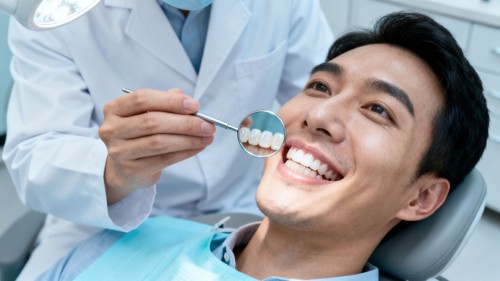
A lot of people want a straighter-looking smile without committing to months of orthodontic treatment. Veneers are often the first thing that comes up in that conversation, but it helps to understand what they actually do before deciding they're the right fit. Here's how the team at Canyon Dental in Clarkston talks patients through the option.
How Do Veneers Fix Uneven or Crooked Teeth Visually?
Veneers create a uniform appearance by masking minor misalignment, slight rotation, or small gaps with custom-fitted shells bonded to the front of your teeth. The natural tooth structure stays underneath; only the visible surface is redesigned to follow a straighter line. The process generally follows a few consistent steps:
- An initial exam to check your bite and gum health.
- Removal of a thin layer of enamel to make room for the shell.
- Precise impressions used to fabricate your custom porcelain veneers.
- Permanent bonding of the finished shells to your teeth.
Do Veneers Actually Straighten Teeth, or Just Hide the Problem?
It's a common misconception that veneers physically move teeth into new positions. Treatments like the American Dental Association explains use gradual pressure over time to shift roots into better alignment, but veneers work differently: they overlay the existing tooth structure to create a straighter look instantly, without changing where the teeth actually sit in the jaw.
Veneers vs. Orthodontics for Crooked Teeth: Which Should You Choose?
Deciding between veneers and orthodontic treatment comes down to your specific goals. If the main concern is significant crowding or a bite misalignment, an option like Invisalign or traditional braces is usually more appropriate, since these actually reposition the teeth over time. If the crookedness is minor and purely cosmetic, thin veneers can provide a uniform finish without brackets or aligner trays. It really comes down to whether you're prioritizing a full structural correction or a faster cosmetic solution.
How Severe Can Crowding Be Before Veneers Won't Work?
Veneers have real physical limits. They can't safely accommodate significant overlap or crowding, since the shells need a reasonably even surface to bond to. If your teeth are pushed noticeably out of alignment, forcing a veneer over that structure risks breakage or ongoing discomfort. Understanding this boundary upfront helps avoid unrealistic expectations about what a purely cosmetic treatment can achieve.
What a Veneer Consultation for Crooked Teeth Involves
During a consultation, your dentist evaluates your bite and tooth positioning, often using diagnostic imaging, to determine whether your teeth can safely support an overlay or whether some orthodontic correction should happen first.
| Treatment Type | Primary Capability | Intended Goal |
|---|---|---|
| Thin Porcelain Veneers | Custom shell placement | Aesthetic masking |
| Invisalign | Clear aligner trays | Gradual tooth repositioning |
| Traditional Braces | Brackets and wires | Structural alignment |
Pros, Cons, and Realistic Expectations Before You Commit
Every option carries trade-offs specific to your anatomy and goals. Veneers require permanently altering your natural enamel, which is not reversible, so it's worth going in with clear expectations. Regular dental check-ups afterward help maintain them and catch any chipping or wear before it becomes a bigger issue. According to the ADA, veneers are considered a cosmetic procedure, which means insurance typically won't cover the cost unless there's an underlying functional need, so it's worth budgeting for the full price of treatment upfront rather than assuming partial coverage.
Porcelain vs. Composite Veneers: What's the Difference?
Not all veneers are built the same way, and the material matters for both cost and longevity. Porcelain veneers are custom-fabricated in a dental lab, tend to resist staining better, and generally last longer with proper care. Composite veneers are bonded directly to the tooth in a single visit using a tooth-colored resin, which usually costs less and requires removing slightly less enamel, but they don't hold up quite as long as porcelain and may need more frequent touch-ups. Your dentist can walk you through which material makes more sense given your budget, timeline, and how many teeth you're looking to treat.
Questions to Ask Your Dentist About Veneers for Crooked Teeth
Before moving forward, ask how many teeth would need to be prepared to create a balanced result, what lifespan to expect from the materials used, and what the plan is if a single veneer needs replacing down the road. A clear conversation about these details makes for a smoother experience from consultation to final placement.
Conclusion
Choosing between veneers and orthodontic treatment comes down to balancing the quicker cosmetic result of veneers against the structural, long-term benefits of actually repositioning your teeth. Working with a dentist who evaluates your specific bite and goals is the best way to land on the right path. If you're curious which option fits your smile, our new patient page covers what to expect, or you can contact our Clarkston office directly to schedule a consultation.
Frequently Asked Questions
Do veneers hurt once they're placed?
Most patients feel little to no discomfort after bonding, provided they follow their dentist's aftercare instructions.
Can veneers correct heavy tooth overlapping?
No. Significant overlap usually needs orthodontic correction first, since veneers can't safely support teeth that are pushed far out of alignment.
How long do porcelain veneers typically last?
With regular check-ups and good oral hygiene, quality porcelain veneers can last a decade or more before needing replacement.
Does getting veneers involve permanent tooth removal?
The tooth isn't removed, but a thin layer of enamel is lightly filed down so the veneer can bond cleanly, and this step isn't reversible.
Can I get veneers if I have gum disease?
Healthy gums are generally required first; any active periodontal issues need to be treated before a veneer procedure is scheduled.
Blog Post Author

Contributed by DentalROI
DentalROI provides relevant dental content to help providers educate patients. The statements, services, and products referenced in this article have not been evaluated by the Food and Drug Administration, and they are not intended as a substitute for professional medical advice, diagnosis, or treatment. Always seek the advice of your dental provider with any questions or issues you may have. Specific recommendations may vary in different circumstances, so individual consultation is important.