

Can You Have Dental Veneers If You’re Missing a Tooth
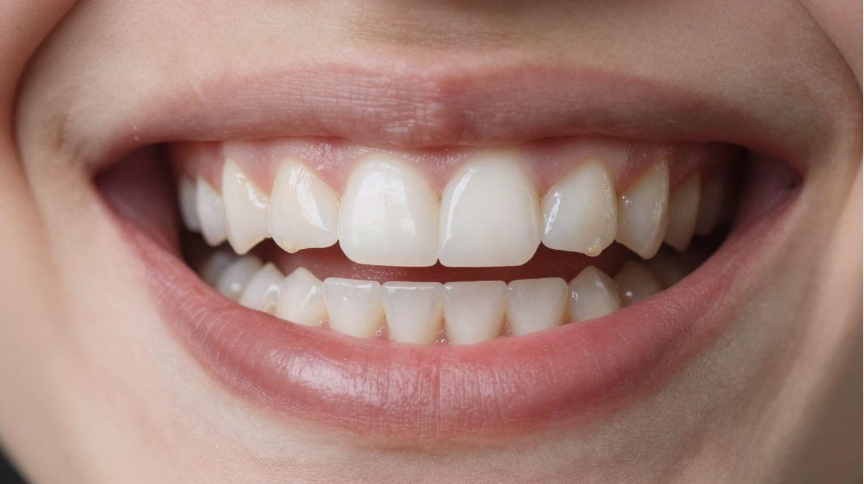
Losing a tooth can really throw off your smile, not to mention make eating and talking a bit tricky. It's more common than you might think, with millions of Americans missing at least one tooth. While many people think of implants or bridges for gaps, dental veneers can also be part of the picture, especially when combined with other treatments. Let's explore how veneers can help create a full, natural-looking smile, even when a tooth is missing.
Key Takeaways
- Dental veneers are thin shells placed on existing teeth to improve their look; they cannot replace a missing tooth on their own.
- If you have a missing tooth, you'll likely need a replacement like a dental implant or bridge before considering veneers for surrounding teeth.
- Veneers can be used with implants or bridges to match the color, shape, and size of your new tooth for a consistent smile.
- Factors like the number and location of missing teeth, as well as the health of surrounding teeth, influence whether veneers can be part of your plan.
- While veneers can't fill a gap, they can enhance the overall appearance of your smile when used alongside tooth replacement options.
What Dental Veneers Are Designed to Do
Dental veneers are thin, custom-made shells, usually crafted from porcelain or composite resin, that are bonded to the front surface of your teeth. Their primary purpose is to improve the appearance of your smile. Think of them as a cosmetic overlay that can fix a variety of common dental concerns.
Veneers are excellent for masking imperfections and creating a uniform, bright look. They can change the color, shape, size, or length of your teeth. For instance, if you have teeth that are stained and don't respond well to whitening, veneers can cover those stains. They're also used to correct teeth that are slightly chipped, worn down, or have minor misalignments or unevenness. Sometimes, a veneer can even help close up small gaps between teeth.
Here's a quick look at what veneers typically address:
- Discoloration or stains
- Chipped or broken teeth
- Slightly misaligned or uneven teeth
- Irregularly shaped teeth
- Small gaps between teeth
It's important to remember that veneers are a cosmetic solution. They are designed to enhance the look of existing teeth. They require a solid tooth structure underneath to bond to properly. This means they aren't a direct replacement for a missing tooth on their own.
Why a Missing Tooth Changes the Veneer Equation
So, you're wondering if you can still get dental veneers if you're missing a tooth? It's a common question, and the answer is a bit nuanced. While veneers are fantastic for improving the look of existing teeth – think chips, stains, or slight misalignments – they can't actually replace a missing tooth on their own. This is because veneers need a solid, natural tooth structure to bond to. If there's a gap where a tooth should be, there's nothing for the veneer to attach to.
This is where the "equation" changes. A missing tooth isn't just about the gap itself; it affects the overall harmony and function of your smile. When a tooth is gone, it can impact:
- Chewing ability: You might find it harder to eat certain foods comfortably.
- Speech clarity: Sometimes, missing teeth can subtly alter how you pronounce words.
- Adjacent teeth: Neighboring teeth can start to shift or tilt into the empty space over time, causing further alignment issues.
- Jawbone health: The bone in your jaw where the tooth was rooted can begin to shrink if it's not stimulated.
Because of these factors, simply placing a veneer in the empty space isn't an option. The focus has to shift from just cosmetic cover-up to addressing the actual absence of the tooth first. Therefore, a missing tooth requires a different approach than simply applying a veneer to an existing tooth. It means we need to consider how to fill that gap before we can even think about using veneers to make everything look uniform and beautiful.
Situations Where Veneers May Still Be Part of the Plan
Even though veneers can't directly replace a missing tooth, they can still play a role in making your smile look its best. Think of it this way: if you're getting a dental bridge or a partial denture to fill the gap, veneers can be used on the surrounding natural teeth. This helps them match the color and shape of the new prosthetic tooth, making everything look more uniform and natural. It’s all about creating a cohesive look.
Sometimes, people might consider temporary, or 'snap-on,' veneers. These are usually a short-term fix, not a permanent solution, but they can give you an idea of how a fuller smile might look while you're planning more permanent treatments. They're not meant for chewing or long-term wear, but they can be a confidence booster for special occasions.
Here are a few scenarios where veneers might be considered alongside other treatments:
- Improving the appearance of teeth next to a gap: If the teeth next to where a tooth is missing are discolored, slightly crooked, or have other cosmetic issues, veneers can be placed on them. This makes them look better and match any new tooth replacement.
- Enhancing the look of a dental bridge: When a bridge is used to replace a missing tooth, the supporting teeth (called abutments) are often altered. Veneers can be applied to these abutments to ensure they look great and blend in with the rest of your smile.
- Creating symmetry with partial dentures: If you have a partial denture, veneers can be used on your natural teeth to create a more balanced and aesthetically pleasing smile overall.
It's important to remember that veneers require a natural tooth structure to bond to. They are a cosmetic enhancement for existing teeth, not a standalone solution for a missing tooth. A thorough dental evaluation is always the first step to figure out the best approach for your specific situation.
Ultimately, the goal is to create a smile that looks and feels natural. When used strategically with other tooth replacement options, veneers can significantly contribute to achieving that harmonious result.
Treatment Options That Address the Missing Tooth First
When a tooth is missing, it creates a gap that needs to be filled before you can even think about veneers for the surrounding teeth. Veneers are designed to cover the front surface of an existing tooth, not to bridge a space where there's no tooth structure to support them. So, the first step is always to address that missing tooth directly.
Several reliable methods can replace a missing tooth, each with its own benefits. The best choice for you will depend on factors like the location of the missing tooth, your overall oral health, and your personal preferences.
Here are some common ways to tackle a missing tooth:
- Dental Implants: These are like artificial tooth roots, usually made of titanium, that are surgically placed into your jawbone. Over time, they fuse with the bone, providing a super stable base. Once healed, a custom-made crown is attached to the implant, looking and functioning just like a natural tooth. Implants are a long-term solution that also helps prevent bone loss in the jaw.
- Dental Bridges: A bridge literally bridges the gap left by a missing tooth. It typically involves creating a false tooth (called a pontic) that's held in place by crowns attached to the natural teeth on either side of the gap. These adjacent teeth are usually reshaped to accommodate the crowns. Bridges can restore your smile's appearance and help with chewing.
- Removable Partial Dentures: For those who might not be candidates for implants or bridges, or prefer a less permanent option, a partial denture can be a good choice. This is a removable appliance that holds one or more artificial teeth and fits snugly over your gums and remaining teeth. It can be taken out for cleaning and is often a more budget-friendly option.
It's important to remember that these restorative treatments are designed to replace the missing tooth itself. Once the gap is properly filled and your mouth is healthy, then you can discuss how veneers might be used on the adjacent natural teeth or even on the new implant crown to create a uniform and beautiful smile.
Combining Tooth Replacement and Veneers for Natural Results
So, you're wondering if you can get veneers with missing teeth, and the answer is often yes, but with a crucial step first: replacing the missing tooth. Veneers themselves are thin shells that cover the front of your existing teeth, not replacements for missing ones. However, when combined with tooth replacement options like implants or bridges, they can create a truly harmonious and natural-looking smile.
Think of it this way: if you're missing a tooth, especially a front one, the gap can really throw off the look of your whole smile. While you can't get composite veneers with missing teeth to fill the space, or even porcelain veneers with missing teeth to act as a replacement, you can use them to make the surrounding teeth look their best. This is where the magic happens.
Here's how it typically works:
- Replacing the Missing Tooth: First, the missing tooth needs to be addressed. This usually involves a dental implant, which is a titanium post placed in the jawbone, or a dental bridge, which uses neighboring teeth for support. These methods restore function and appearance.
- Enhancing Surrounding Teeth: Once the missing tooth is replaced, veneers can be applied to the adjacent natural teeth. This is done to match the color, shape, and size of the new replacement tooth and any other natural teeth, creating a uniform look.
- Achieving Symmetry: Veneers are excellent for fine-tuning the appearance of teeth. They can correct slight imperfections, close minor gaps between teeth (other than the main missing one), and brighten the overall shade of your smile, making everything look balanced.
It's important to note that while you might see options like snap on veneers or clip in veneers for missing back teeth or other cosmetic fixes, these are generally temporary and not a substitute for professional, long-term solutions when a tooth is actually gone. For a truly integrated and lasting result, working with a dentist to replace the tooth and then use veneers on surrounding teeth is the way to go.
The goal is to create a smile where every element, from the replaced tooth to the veneers on the others, looks like it belongs. This coordinated approach ensures that your smile is not only beautiful but also functions correctly and feels natural.
A thorough dental evaluation is key. Your dentist will look at the health of your jawbone, gums, and any remaining teeth to make sure the chosen replacement method and veneers will be stable and look great for years to come.
Bringing It All Together for Your Best Smile
So, can you get dental veneers if you're missing a tooth? The short answer is yes, but not on their own. Veneers are fantastic for making existing teeth look their best, but they can't fill a gap where a tooth should be. The real magic happens when veneers are part of a bigger plan. By combining them with treatments like dental implants or bridges to replace the missing tooth, dentists can create a truly seamless and natural-looking smile. It all comes down to a good chat with your dentist to figure out the right steps for your unique situation. They'll look at your whole mouth and help you decide on the best way to get that confident smile back. Contact Lewiston and Clarkston Dentist today and take the first step toward a healthier, more confident smile.
Frequently Asked Questions
Can dental veneers be used to replace a missing tooth on their own?
No, dental veneers cannot replace a missing tooth by themselves. Veneers are thin shells that are attached to the front of existing teeth to improve their look. They need a natural tooth structure to bond to, so they can't fill a gap where a tooth is missing.
How can veneers be part of a plan for missing teeth?
Veneers can be used alongside other treatments that replace missing teeth, like dental implants or bridges. The veneers can be placed on the surrounding natural teeth to match the color, size, and shape of the new tooth replacement, creating a seamless and natural-looking smile.
What is the first step if someone has a missing tooth and wants veneers?
The first step is to address the missing tooth itself. This usually involves getting a dental implant or a bridge to fill the gap. Once the missing tooth is replaced, a dentist can then consider using veneers on the adjacent teeth for a better overall appearance.
Can veneers help with small gaps or slightly misshapen teeth alongside a missing tooth?
Yes, in some cases. If there are minor gaps or teeth that are a bit small or uneven (like 'peg laterals') next to the missing tooth area, veneers can be used on those teeth to create a more balanced and attractive smile, especially when the surrounding teeth are healthy.
What factors does a dentist consider before recommending veneers for missing teeth?
A dentist will look at several things. These include how many teeth are missing, where the gaps are (front or back teeth), the health of the teeth next to the gap, and the person's bite and jaw alignment. Good gum and bone health is also important, especially if implants are involved.
Are there other options besides veneers if a tooth is missing?
Absolutely. Besides implants and bridges, dentists might suggest dental crowns for damaged teeth, composite bonding to fix minor issues, or even full smile makeovers that combine various treatments to restore both the look and function of your smile.
Blog Post Author

Contributed by DentalROI
DentalROI provides relevant dental content to help providers educate patients. The statements, services, and products referenced in this article have not been evaluated by the Food and Drug Administration, and they are not intended as a substitute for professional medical advice, diagnosis, or treatment. Always seek the advice of your dental provider with any questions or issues you may have. Specific recommendations may vary in different circumstances, so individual consultation is important.