

Composite vs. Porcelain Veneers: What's the Difference?
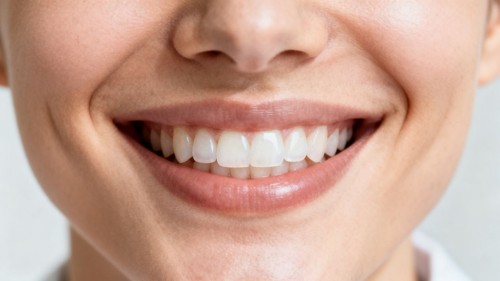
Composite and porcelain veneers can both improve the appearance of teeth with chips, discoloration, gaps, or uneven shapes. The main difference is the material and the way it's placed: composite uses tooth-colored resin shaped directly on the tooth, while porcelain is made as a thin shell and bonded in place. That choice affects the treatment timeline, appearance, repair options, and long-term cost. At Canyon Dental in Clarkston, Washington, Dr. Joseph Schmidt helps patients weigh both options against their goals and budget.
How Each Type Is Made and Applied
Composite veneers are usually built directly on the tooth in the dental office. After the tooth is prepared and matched to the desired shade, the dentist applies resin, shapes it, and hardens it with a curing light. Porcelain veneers follow a more involved process: the dentist plans the shape, prepares the teeth as needed, takes records for fabrication, and later bonds the finished shells to the teeth. Composite treatment may be completed more quickly, while porcelain generally requires more planning and at least one additional stage for fabrication. Neither material is automatically right for every smile, since tooth position, bite, enamel, and the desired change all matter — our Dental Veneers page covers what a consultation involves.
How Long Do Composite Veneers Last?
People often ask how long composite veneers last. A reasonable general estimate is several years, commonly around five to seven with good care, though the actual lifespan varies. Daily habits, bite pressure, tooth grinding, diet, oral hygiene, and the quality of the original placement can all affect how long the result looks its best. Composite may need polishing, repair, or replacement sooner than porcelain, but it can also be easier to adjust along the way.
Maintenance and Repair Considerations
Composite is more vulnerable to surface staining and small chips than porcelain, particularly around heavily used front teeth. That doesn't mean every repair requires starting over — a dentist may be able to smooth, polish, or add material to a limited area, depending on the damage and the condition of the veneer. A simple maintenance routine can help protect the investment:
- Brush twice daily with a soft-bristled toothbrush and fluoride toothpaste
- Floss or clean between the teeth every day to support the surrounding gums
- Avoid biting hard objects or using veneered teeth to open packaging
- Wear a recommended night guard if grinding or clenching is a concern
These steps cannot prevent every problem, but they reduce avoidable stress on the material. Regular dental visits also give the dentist a chance to check the edges, bite, gums, and any early signs of wear before a small issue becomes more complicated.
Porcelain Veneers: Pros and Cons
Porcelain veneers' pros and cons tend to center on appearance, durability, and reversibility. Porcelain can provide a highly natural-looking surface because its color and translucency can resemble tooth enamel. It's also less likely to absorb stains than composite, which may appeal to people who want a steadier shade over time. The tradeoff is a higher initial cost and a treatment process that usually involves more planning. Porcelain isn't indestructible, and it still requires careful use — a veneer can chip or detach under excessive force, especially when the bite is unfavorable or a person regularly clenches. Preparation may also permanently alter some enamel, so the decision deserves a careful conversation rather than a quick cosmetic choice.
Durability, Cost, and Appearance
The best comparison isn't simply "strong versus weak." It's a balance between how long the material may serve, how it looks in the mouth, what the treatment involves, and how comfortable the patient is with future maintenance.
| Consideration | Composite Veneers | Porcelain Veneers |
|---|---|---|
| Typical placement | Shaped directly on the tooth | Fabricated as shells and bonded to the teeth |
| Appearance | Can look natural when carefully shaped and polished | Often offers enamel-like translucency and stable color |
| Stain resistance | More prone to surface staining over time | Generally more resistant to staining |
| Repair approach | Small chips may often be repaired or polished | Damage may require repair or replacement |
Someone who values a faster, more adjustable treatment may prefer composite, while someone prioritizing long-term color stability and a highly refined finish may lean toward porcelain. A dentist can assess whether either option is suitable for the specific teeth involved.
Comparing Cost and Longevity
Up-front price is only one part of the comparison. Composite veneers generally cost less per tooth because they're placed directly and don't require the same laboratory fabrication process. Porcelain usually costs more initially, but its longer expected service period can change how the total expense feels over time. Fees also vary with the number of teeth, preparation, the complexity of the case, and the treatment plan. A useful budget conversation should include more than the quoted price for placement — ask what's included, whether an exam or diagnostic work is separate, and how repairs are handled.
Which Veneer Type Is Right for You?
Composite may suit someone seeking a more affordable way to make a modest cosmetic change, especially when the ability to repair or adjust the material matters. Porcelain may be a stronger fit for someone who wants a highly polished appearance with greater resistance to staining and a potentially longer service period. People who grind, have an unstable bite, or have untreated decay or gum disease may need those concerns addressed before either type of veneer is considered — our cosmetic dentistry team can walk through enamel preservation, bite forces, and future repairs during a consultation. According to MouthHealthy, the American Dental Association's consumer resource, veneer treatment is not reversible because enamel is removed to place it, and any existing decay or gum disease should be treated first, since placing veneers over unhealthy teeth may worsen the underlying problem.
Conclusion
Composite and porcelain veneers can both improve a smile, but they offer different balances of cost, treatment time, appearance, repairability, and longevity. Composite is often more accessible and adjustable, while porcelain generally offers stronger stain resistance and a longer potential service period. You can contact our Clarkston office to schedule a consultation and find the right fit for your smile.
Frequently Asked Questions
How long do composite veneers last?
Composite veneers commonly last about five to seven years, although care, bite pressure, grinding, staining, and placement quality can make the lifespan shorter or longer.
Are porcelain veneers permanent?
Porcelain veneers are considered a long-term treatment, not a lifetime treatment. They may eventually need repair or replacement, and preparation can permanently change some enamel.
Which type of veneer looks more natural?
Both can look natural when planned and placed carefully. Porcelain often has translucency that resembles enamel, while composite can be shaped and polished to create an attractive result.
Can composite veneers be repaired?
Small chips or worn areas may sometimes be repaired or polished without replacing the entire veneer. The appropriate approach depends on the location and extent of the damage.
Do veneers stain?
Composite is generally more likely to stain over time. Porcelain is more resistant to surface staining, but the surrounding natural teeth can still change color.
Are veneers suitable for everyone?
No. Untreated decay, gum disease, significant grinding, weak enamel, or bite problems may affect candidacy and may need attention before cosmetic treatment.
About the Author
Canyon Dental is a general and cosmetic dental practice located at 1303 16th Ave, Clarkston, Washington. The practice is led by Dr. Joseph P. Schmidt, DDS, who earned his Bachelor's degree in Biology from Lewis-Clark State College and his Doctor of Dental Surgery degree from Creighton University in Omaha, Nebraska. Dr. Schmidt is a member of the American Dental Association, the Idaho State Dental Association, and the Oregon Dental Association, and the practice provides preventive, restorative, and cosmetic dentistry to patients throughout the Lewiston-Clarkston valley.
Medical Disclaimer
The information provided in this article is for educational purposes only and does not constitute professional medical or dental advice, diagnosis, or treatment. Candidacy for composite or porcelain veneers can only be determined through an in-person dental examination. Always seek the advice of your dentist or other qualified health provider with any questions regarding a dental or cosmetic procedure. Never disregard professional advice or delay in seeking it because of something you have read here.
Blog Post Author

Contributed by DentalROI
DentalROI provides relevant dental content to help providers educate patients. The statements, services, and products referenced in this article have not been evaluated by the Food and Drug Administration, and they are not intended as a substitute for professional medical advice, diagnosis, or treatment. Always seek the advice of your dental provider with any questions or issues you may have. Specific recommendations may vary in different circumstances, so individual consultation is important.