

Cosmetic Dental Bonding Explained: What It Is and How It Works
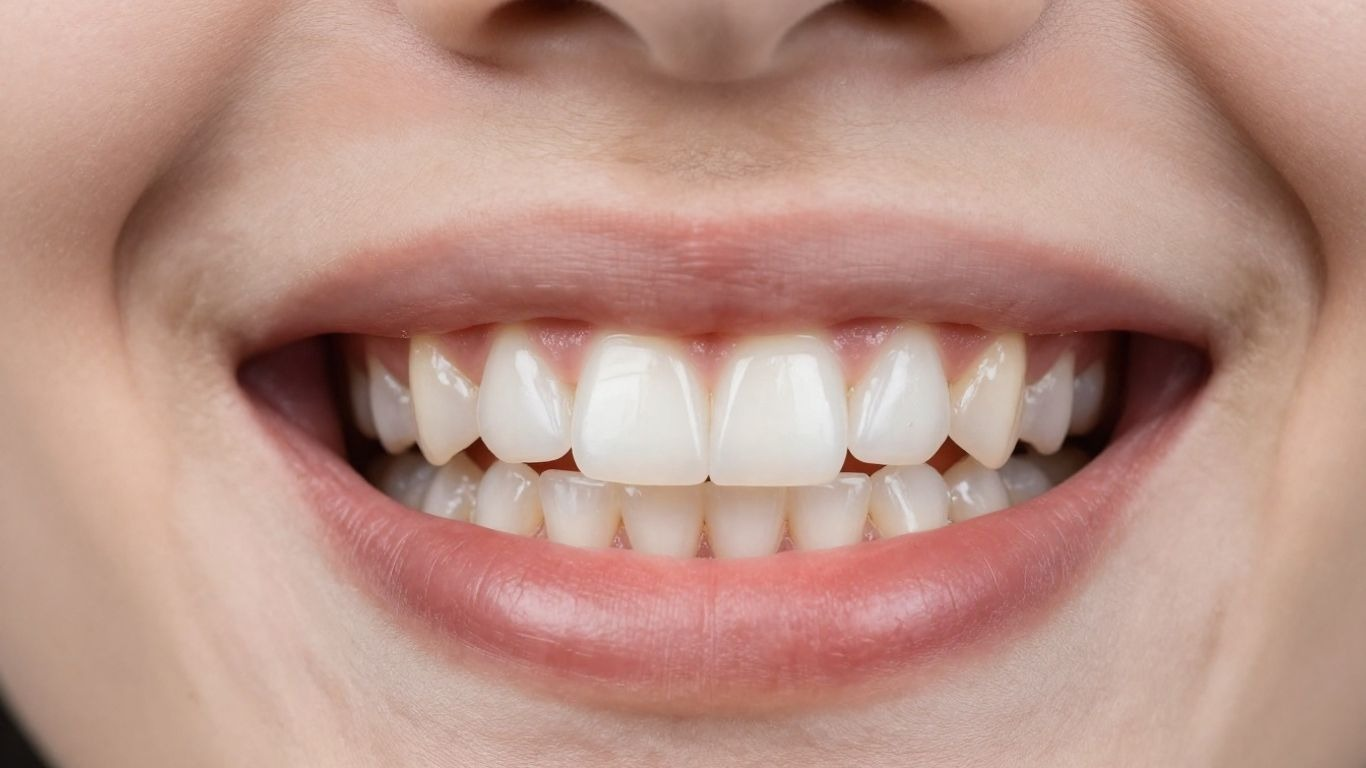
You know, sometimes you look in the mirror and notice a little chip on your tooth, or maybe there’s a gap you’ve always been a bit self-conscious about. It’s easy to think fixing these things means a big, expensive dental trip. But what if I told you there’s a way to sort out those minor smile imperfections pretty quickly and without breaking the bank? It’s called dental bonding, and it’s become a really popular option for a reason. It’s a straightforward procedure that can make a noticeable difference, often in just one visit. If you’ve been wondering about a simple fix for chipped or gapped teeth, let’s get into what dental bonding is all about.
Important Things to Know
- Dental bonding uses a tooth-colored resin that a dentist applies and shapes to fix chips, gaps, and discoloration.
- The procedure is quick, often completed in a single dental visit, and is generally painless.
- It’s a more affordable cosmetic dental option compared to veneers or crowns.
- While durable, bonding may stain over time and is not as strong as natural enamel, potentially needing touch-ups.
- Bonding is a good choice for minor cosmetic issues, preserving natural tooth structure without enamel removal.
What Is Cosmetic Dental Bonding and How Does It Work?
So, you've got a little chip on your tooth, or maybe a gap that's been bugging you? Don't sweat it. There's this thing called dental bonding, and it's pretty neat. Basically, it's a way your dentist can fix up those minor smile imperfections using a special tooth-colored putty. Think of it like a super-advanced, tooth-friendly putty that they can shape and mold right there in the chair.
This stuff, called composite resin, is the same material dentists use for those white fillings you might have gotten. It's a mix of plastic and glass, and it's pretty tough. The "bonding" part comes from how it actually sticks to your tooth. It sort of fuses with your natural enamel on a tiny level, making it a strong fix. It's considered a "direct restoration" because the dentist builds it up right there in your mouth, unlike crowns or veneers that are made in a lab and then put on later. You literally walk in with a less-than-perfect tooth and walk out with a fixed one, all in one go.
Why is it so popular? Well, for starters, it's usually super quick. We're talking about maybe 30 minutes to an hour per tooth, so you can often get your whole smile sorted in one afternoon. Plus, it's way more affordable than other cosmetic options like veneers. And here's a biggie: it's minimally invasive. Most of the time, your dentist doesn't have to mess with your natural tooth enamel at all. They just add the bonding material on top. This is a huge deal because it means the procedure is often reversible, and you don't need a shot for pain relief unless there's a cavity involved. No numb face for hours afterward, which is always a plus.
Here's a quick rundown of what happens:
- Prep and Shade: First, the dentist will pick a shade of resin that perfectly matches your natural teeth. They might do a little roughening of the tooth surface so the resin sticks better, but usually, no enamel removal is needed.
- Application: Then, they apply the putty-like resin to your tooth, carefully shaping it to fix the chip, close the gap, or correct the shape.
- Hardening: Once it looks just right, they use a special curing light to harden the resin. It sets pretty quickly.
- Finishing: Finally, they'll do some final shaping and polishing so it feels smooth and looks totally natural.
It's a pretty straightforward process that combines a bit of science with a good dose of artistic skill to make your smile look its best without a lot of fuss.
Dental Bonding Cost and Results: What You Can Realistically Expect
So, you're thinking about dental bonding to fix up those little smile imperfections? That's a smart move! It's super popular because it's quick, pretty affordable, and can make a big difference. Let's break down what you can expect when it comes to the cost and the results.
The biggest perk? You can usually get your whole bonding procedure done in just one visit. Unlike veneers or crowns that need multiple appointments and lab work, bonding is done right there in the dentist's chair. We're talking about 30 to 60 minutes per tooth, so you can walk out with a fixed-up smile in an afternoon. Pretty neat, right?
When it comes to cost, bonding is definitely easier on the wallet compared to other cosmetic options. You're generally looking at somewhere between $100 to $400 per tooth. Of course, the final price tag depends on a few things:
- How many teeth need work?
- How big is the repair?
- Is it a simple fix or a more complex situation?
Keep in mind that since bonding is usually considered cosmetic, your insurance might not cover it. But hey, for the results you get, it's a fantastic value.
What about the results? Bonding looks really good, but it's important to have realistic expectations. The composite resin material is great for fixing small chips, closing minor gaps, or correcting slight discoloration. It blends in well and can make your smile look much more uniform. However, it's not quite as translucent as natural tooth enamel or high-end porcelain, so it might not have that same depth. It's a dramatic improvement, but it does have its limits. If you're dealing with severely crooked teeth or major structural damage, you'll likely need other treatments like orthodontics or crowns.
Here's a quick rundown of what bonding is great for:
- Repairing small chips and cracks.
- Closing small gaps between teeth.
- Improving the shape of oddly formed teeth (like peg laterals).
- Covering up stains that whitening can't touch.
- Protecting exposed tooth roots due to gum recession.
While bonding is durable, it's not indestructible. Habits like nail-biting, chewing on pens, or grinding your teeth can damage the resin. It's also important to know that the composite material can stain over time from things like coffee, tea, or red wine. Unlike natural teeth, bonded areas can't be whitened, so you'll need to be mindful of your diet and habits to keep your smile looking its best.
Taking care of your bonded teeth is pretty straightforward. Just brush and floss like you normally would, using a non-abrasive toothpaste. Try to rinse your mouth after consuming staining foods or drinks, and avoid using your teeth as tools. With good care, your dental bonding can last anywhere from 3 to 10 years.
Tooth Bonding vs Veneers: Which Is Better for You?
So, you're looking to spruce up your smile, and you've heard about dental bonding and veneers. Both can fix up chips, gaps, and other little smile imperfections, but they're pretty different beasts. Let's break down tooth bonding vs veneers which is better for your situation.
Think of dental bonding as a quick, in-and-out fix. Your dentist uses a tooth-colored resin material, kind of like a super-strong putty, and sculpts it right onto your tooth. It's usually done in a single visit, often in under an hour per tooth. It's great for minor chips, closing small gaps, or reshaping slightly uneven teeth. The biggest perks? It's way more affordable than veneers and doesn't require removing any of your natural tooth enamel. In fact, it's often reversible!
Veneers, on the other hand, are like custom-made shells, usually of porcelain, that are permanently bonded to the front of your teeth. They're stronger, more stain-resistant, and can last a lot longer – think 10-15 years or even more. But, and this is a big 'but,' getting veneers involves shaving down a bit of your natural tooth enamel to make room for them. Once you go the veneer route, there's no turning back. They're also a much bigger financial investment.
Here's a quick rundown:
- Dental Bonding:
- Pros: Affordable, quick (one visit), minimally invasive (preserves tooth enamel), often reversible.
- Cons: Less durable than veneers, can stain over time, typically lasts 3-10 years.
- Veneers:
- Pros: Very durable, highly stain-resistant, long-lasting (10-15+ years), excellent aesthetic results.
- Cons: More expensive, irreversible (requires enamel removal), usually takes multiple visits.
So, which is better? If you're looking for a fast, budget-friendly way to fix a small chip or gap and want to keep as much of your natural tooth as possible, bonding is probably your best bet. It's a fantastic option for younger folks or anyone who wants a smile improvement without a huge commitment. If you're dealing with more significant issues, want the most durable and stain-proof solution, and are ready for a permanent change, veneers might be the way to go. It really comes down to your budget, the extent of the problem, and how long you want the results to last.
How Long Does Dental Bonding Last?
So, you're wondering, how long does dental bonding last? It's a fair question! You're investing time and money into making your smile look great, and you want it to stick around, right?
Generally speaking, you can expect dental bonding to last anywhere from 3 to 10 years. Now, that's a pretty wide range, and what determines where you fall on that spectrum is mostly down to how you treat it. Think of it like a really nice pair of shoes – if you wear them every day, hike in them, and don't clean them, they won't last as long as if you save them for special occasions and keep them polished.
Here are some things that can help your dental bonding stick around for the long haul:
- Good Oral Hygiene: This is a big one. Brushing and flossing daily is super important. Plaque can build up on the bonding material just like it does on your natural teeth, and neglecting it can lead to problems around the edges.
- Watch What You Eat (and Chew On!): Try to avoid chewing on really hard stuff like ice, pen caps, or even those super hard candies. The bonding material is strong, but it's not invincible. Also, be mindful of staining foods and drinks. Things like coffee, tea, red wine, and dark berries can stain the resin over time.
- Kick Bad Habits: If you're a nail-biter or tend to chew on things, try to break those habits. These actions can put unnecessary stress on the bonding and potentially chip or break it.
- Regular Dental Check-ups: Don't skip your regular visits to the dentist! They can spot any potential issues early on and give your bonding a polish to keep it looking its best.
It's important to remember that bonding isn't quite as tough as your natural enamel or porcelain veneers. It can stain and chip over time, and unlike natural teeth, you can't whiten bonded areas. If staining happens, your dentist can usually polish it off, but significant chips might need a touch-up or even replacement.
So, while it's not a permanent fix like some other dental procedures, with a little care and attention, your dental bonding can keep your smile looking fantastic for many years.
Is Cosmetic Dental Bonding for Chipped Teeth Right for You?
So, you're thinking about cosmetic dental bonding for chipped teeth, huh? It's a pretty popular choice for fixing those little smile imperfections without a huge fuss or a massive bill. But is it the right move for you? Let's break it down.
First off, who usually benefits the most from this? Think about minor issues. We're talking small chips, tiny gaps between your front teeth, maybe a tooth that's a bit shorter than the others, or even some discoloration that whitening just can't touch. If you've got a tooth that's just not playing nice with the rest of your smile, bonding can often smooth things over.
Here’s a quick rundown of who makes a good candidate:
- You have minor cosmetic flaws: Small chips, slight gaps, or misshapen teeth are prime candidates.
- You want a quick fix: Bonding is usually done in a single dental visit. Pretty sweet, right?
- You're looking for an affordable option: Compared to veneers or crowns, bonding is generally much easier on the wallet.
- You want to preserve your natural tooth: The procedure typically involves minimal removal of your tooth's natural enamel.
However, it's not a magic wand for everything. If you're dealing with major tooth damage, severe crowding, or significant decay, bonding might not be the best long-term solution. Your dentist will check out your overall oral health – healthy gums and teeth are a must. They'll also look at your bite and any habits you have. If you're a serious teeth grinder or tend to chew on hard things, that could be a problem for the bonding material.
It's important to have realistic expectations. While bonding looks great and can really transform a smile, the material isn't quite as tough or naturally translucent as your real enamel or high-end porcelain. It's a fantastic, conservative option for many, but it does have its limits.
Basically, if you've got a small chip or a minor flaw that's bugging you and you want a relatively quick, affordable way to fix it without major dental work, cosmetic dental bonding for chipped teeth is definitely worth discussing with your dentist. They can give you the lowdown on whether it's a good fit for your specific smile situation.
So, Is Dental Bonding Right for You?
Look, nobody's perfect, and sometimes our teeth get a little banged up or just aren't exactly how we want them. If you've got a small chip, a little gap, or maybe some teeth that just aren't the right color, dental bonding is a really solid option. It's not some super complicated or expensive thing. Most of the time, you can get it done in just one visit, and it looks pretty natural. It's a good way to fix those little smile annoyances without a huge commitment. Definitely worth chatting with your dentist about it to see if it's the best fit for your smile goals.
Frequently Asked Questions
Does dental bonding hurt?
Most people don't feel any pain during the dental bonding procedure. Your dentist usually doesn't need to numb your tooth, making it a comfortable experience.
How long does dental bonding take?
Dental bonding is super quick! It often takes less than an hour per tooth. You can usually walk out of the dentist's office with your improved smile on the same day.
What can dental bonding fix?
Bonding is great for fixing small problems like chips, cracks, minor gaps between teeth, and teeth that are misshapen or stained. It helps make your smile look better and more even.
How much does dental bonding cost?
Compared to other cosmetic options like veneers or crowns, dental bonding is quite affordable. The exact price can change depending on how many teeth are treated and the size of the repair, but it's generally one of the cheapest ways to improve your smile.
How long does dental bonding last?
With good care, dental bonding can last anywhere from 3 to 10 years. To help it last longer, try to avoid chewing on hard things like ice or pens, and keep up with brushing and flossing.
Can I eat normally after dental bonding?
Yes, you can eat after bonding, but it's a good idea to wait a few hours. Also, try to avoid biting into very hard foods right away, as this could potentially damage the bonding material.
Blog Post Author

Contributed by DentalROI
DentalROI provides relevant dental content to help providers educate patients. The statements, services, and products referenced in this article have not been evaluated by the Food and Drug Administration, and they are not intended as a substitute for professional medical advice, diagnosis, or treatment. Always seek the advice of your dental provider with any questions or issues you may have. Specific recommendations may vary in different circumstances, so individual consultation is important.