

How Dentures and Implants Work Together
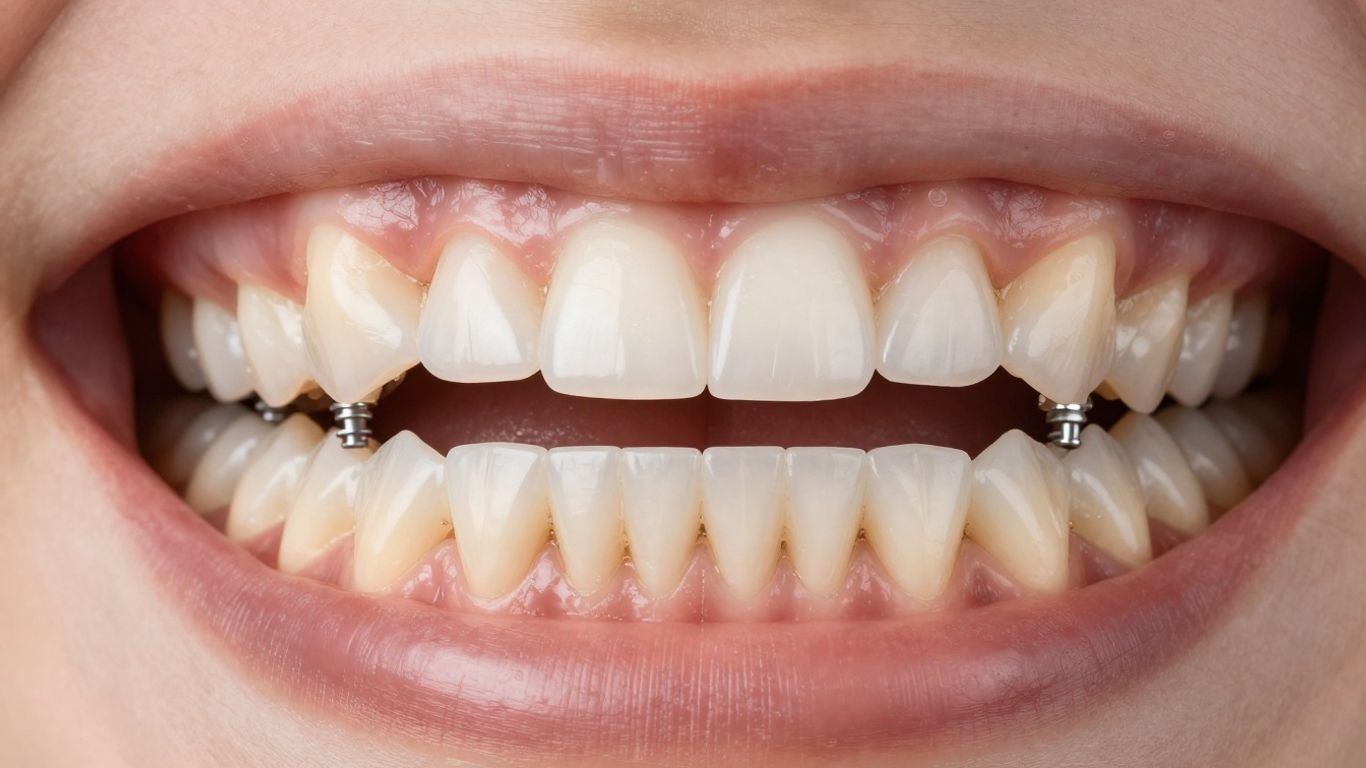
So, you're wondering How Dentures and Implants Work Together? It's actually a pretty smart system that combines the best of both worlds for a much better smile.
What makes implant supported dentures different from regular ones?
Regular dentures, you know, the kind that just sit on your gums? They can be a bit… wobbly. They rely on suction or sometimes sticky stuff to stay put. Over time, your jawbone can shrink, and that makes them even less stable. It’s like trying to balance a plate on a jelly.
Implant-supported dentures are different. Think of tiny titanium posts, like artificial tooth roots, that are surgically placed into your jawbone. These implants act like anchors. Your denture then snaps or clips onto these implants. This connection makes a huge difference in how stable and secure your dentures feel. Instead of just resting on your gums, they're firmly attached, giving you a much more natural and confident feeling.
Here’s a quick look at the main differences:
- Regular Dentures: Rely on suction or adhesives, can slip, may not feel secure.
- Implant-Supported Dentures: Attach to implants in the jawbone, offer much greater stability, feel more like natural teeth.
It’s this anchoring system that really changes the game. It means you can eat, talk, and smile without constantly worrying about your teeth moving around. It’s a more solid, reliable solution for replacing missing teeth.
Advantages of Implant Supported Dentures Over Traditional Dentures
So, are implant supported dentures better than traditional dentures? For a lot of people, the answer is a big yes. Think about it: traditional dentures can be a bit of a hassle. They rely on suction or sticky pastes to stay put, and let's be honest, that doesn't always work out so well. You might find yourself worrying about them slipping when you laugh or eat something crunchy. That's where implant supported dentures really shine.
Are implant supported dentures better than traditional dentures?
The main reason people find implant supported dentures so much better is the stability. Instead of just resting on your gums, these dentures are anchored to dental implants that are surgically placed in your jawbone. It's like giving your dentures a solid foundation. This means they don't move around. You can eat, talk, and smile without that constant worry.
Here are some of the key advantages:
- Way better chewing power: With traditional dentures, you might stick to softer foods because chewing tougher stuff can be tricky and uncomfortable. Implant supported dentures give you back a lot of your natural chewing ability. We're talking about being able to enjoy a steak or a crisp apple again! Some studies show you can chew about 30% more efficiently.
- No more sore spots: When dentures shift, they can rub against your gums, causing painful irritation and sores. Because implant supported dentures are fixed in place, this rubbing is pretty much eliminated, leading to a much more comfortable experience.
- Keeps your jawbone healthy: When you lose teeth, your jawbone can start to shrink because it's not getting the stimulation from chewing. The implants act like natural tooth roots, stimulating the bone and helping to prevent this shrinkage. This also helps maintain your facial structure, so you don't get that sunken look.
- Looks more natural: The implants help the dentures fit snugly, which can make your smile look more natural and prevent that
How Dental Implants Improve Denture Stability
So, you've got dentures, but they feel a bit... wobbly? Yeah, that's a common complaint. Traditional dentures rely on suction or sticky stuff to stay put, which, let's be honest, isn't always the most reliable. This is where dental implants come in and totally change the game for how dental implants improve dentures stability.
Can implants stop dentures from slipping or moving?
Absolutely! Think of dental implants as tiny anchors drilled right into your jawbone. They're usually made of titanium, and over time, your bone fuses with them, making them a super strong, permanent part of your mouth. Your dentures then snap or clip onto these implants. This connection is what stops your dentures from slipping, sliding, or even popping out when you're trying to eat, talk, or just laugh. It's a world of difference from dentures that just sit on your gums.
Here's a quick look at why this makes such a difference:
- Rock-Solid Hold: The implants provide a fixed point, so your dentures don't budge. No more worrying about them shifting mid-sentence.
- Better Chewing Power: Because they're so stable, you can chew tougher foods more effectively. We're talking apples and steak, not just soup and mashed potatoes.
- Natural Feel: When your dentures are securely attached, they feel much more like your own teeth. It's a more comfortable and natural experience overall.
The biggest win here is confidence. When you're not constantly thinking about your dentures, you can just live your life. You can eat what you want, talk freely, and smile without a second thought. It really brings back a sense of normalcy and enjoyment.
It's pretty amazing how a few small implants can make such a huge impact on how stable and secure your dentures feel. It's not just about keeping them in place; it's about giving you back the freedom to use your mouth like you used to.
Do Dental Implants Make Dentures More Comfortable?
So, do dental implants make dentures more comfortable? The short answer is a resounding yes! If you've ever worn traditional dentures, you know the struggle. They can feel loose, slip around when you talk or eat, and sometimes cause sore spots. It's not exactly a recipe for comfort.
How do patients feel after switching to implant supported dentures?
Switching to implant-supported dentures is a game-changer for many people. Imagine not having to worry about your teeth shifting while you're trying to enjoy a meal or have a conversation. That's the reality for folks with implant-supported dentures. They feel much more secure, almost like your natural teeth. This stability means you can chew more effectively – some studies show up to a 30% improvement! That means you can get back to eating a wider variety of foods without that nagging worry.
Here's a quick look at how comfort improves:
- No More Slipping: Implants act like anchors, holding your dentures firmly in place. This eliminates that embarrassing slipping and sliding.
- Reduced Sore Spots: Because the dentures don't rub and move against your gums, those painful sore spots become a thing of the past.
- Better Chewing Power: With a stable base, you can bite down with more force, making it easier to eat tougher foods.
- More Natural Feel: They just feel more like your own teeth, making everyday activities like talking and laughing feel more natural and less self-conscious.
Many people report a significant boost in confidence after getting implant-supported dentures. The feeling of security and the ability to eat and speak without worry really makes a difference in their daily lives. It's not just about having teeth; it's about regaining a sense of normalcy and enjoyment.
It's pretty amazing how much of a difference that extra stability makes. It's not just about looking good; it's about feeling good and being able to live your life without constantly thinking about your teeth.
Why Overdentures Are Better Than Regular Dentures
So, why bother with overdentures when regular ones seem okay? Well, regular dentures, the kind that just sit on your gums, can be a real pain. They often rely on suction or sticky adhesives to stay put, which, let's be honest, isn't always the most reliable. You know, the kind of thing that makes you nervous when you're trying to enjoy a meal or have a good laugh.
Overdentures, on the other hand, are a whole different ballgame. They use dental implants as anchors. Think of it like this: implants are surgically placed into your jawbone, and then your denture snaps onto them. This makes a huge difference. Your dentures won't slip or move around anymore. It's like having a secure foundation for your smile.
This stability isn't just about comfort, though. It actually helps preserve your jawbone. When you lose teeth, the bone underneath starts to shrink because it's not getting the stimulation it used to. Regular dentures don't do anything to stop this. But with implants, the pressure from chewing is directed into the bone, which helps keep it healthy and strong. This can prevent that sunken-in look that sometimes happens with long-term denture wear.
Plus, think about eating. People with overdentures can often chew about 30% more efficiently than those with regular dentures. That means you can actually enjoy a wider variety of foods, not just the soft stuff. It really makes a difference in getting good nutrition and just enjoying life more.
The biggest win with overdentures is the confidence they bring. No more worrying about your teeth shifting when you talk or eat. It's a much more natural and secure feeling, allowing you to focus on what you're doing, not on your dentures.
Here's a quick rundown of why overdentures often come out on top:
- Rock-solid stability: They don't budge, thanks to the implant anchors.
- Better chewing power: Enjoy a wider range of foods without worry.
- Jawbone health: Implants help stimulate the bone, preventing shrinkage.
- Improved speech: No more mumbling because your teeth are moving.
- More natural look: They help maintain facial contours better than regular dentures alone.
Wrapping It Up
So, if you're tired of dealing with dentures that just won't stay put or make eating your favorite foods a challenge, combining them with dental implants might be the game-changer you've been looking for. It's like giving your dentures a super-stable foundation, making them feel much more like your own teeth. This means you can talk, laugh, and eat with way more confidence. Plus, it helps keep your jawbone healthy, which is a big deal for your overall look and health down the road. It really is a smart way to get a more comfortable, functional, and natural-looking smile. Ready for a healthier, brighter smile? Book your appointment today and let our experienced team care for your dental needs.
Frequently Asked Questions
What's the main difference between regular dentures and ones that use implants?
Regular dentures sit on your gums, and sometimes they can feel loose or slip around. Dentures that use implants are attached to small metal posts (implants) that are placed in your jawbone. This makes them much more stable and secure, like having real teeth.
Will implant-supported dentures feel more comfortable than regular dentures?
Yes, many people find them much more comfortable. Because implants keep the dentures from moving, you're less likely to experience sore spots or irritation on your gums. It feels more natural when you eat, talk, and smile.
Can implants really stop my dentures from moving?
Absolutely! The implants act like anchors in your jawbone, holding the dentures firmly in place. This means you won't have to worry about them slipping or shifting when you're eating, speaking, or laughing.
How do implants help my jawbone stay healthy?
When you lose teeth, the bone in your jaw can start to shrink because it doesn't get the usual stimulation from chewing. Dental implants are like artificial tooth roots that provide this stimulation, helping to keep your jawbone strong and preventing it from shrinking over time.
Can I eat and talk more easily with implant-supported dentures?
Definitely. Because the dentures are so stable, you can chew your food much better, even tougher or crunchier items. This also makes it easier to speak clearly without your dentures getting in the way.
How long do implant-supported dentures usually last?
When you take good care of them, implant-supported dentures can last for a very long time, often a lifetime. You'll need to remove them daily for cleaning and brush your gums and the implant attachments.
Blog Post Author

Contributed by DentalROI
DentalROI provides relevant dental content to help providers educate patients. The statements, services, and products referenced in this article have not been evaluated by the Food and Drug Administration, and they are not intended as a substitute for professional medical advice, diagnosis, or treatment. Always seek the advice of your dental provider with any questions or issues you may have. Specific recommendations may vary in different circumstances, so individual consultation is important.