
How to Fix a Chipped Tooth: Treatment Options Explained
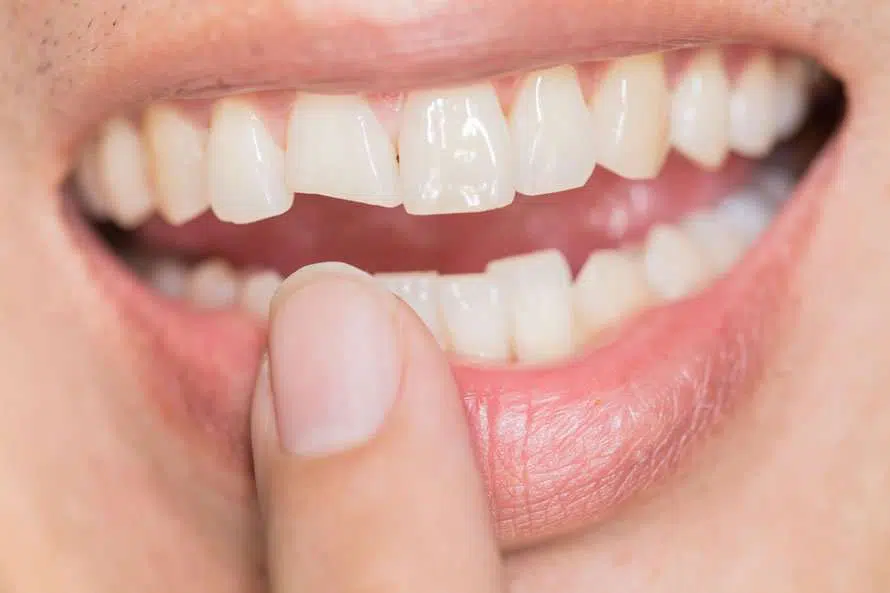
A chipped tooth can be a small cosmetic bother or a sign of damage beneath the enamel, and patients at Canyon Dental often aren't sure which one they're dealing with. The way it happened, the amount of tooth missing, and your symptoms all help determine how quickly you need care. Even a painless chip deserves a dental examination, because a crack or weakened area may not be obvious at home. Prompt dental advice matters when the tooth feels different after an injury.
Signs of a Minor Enamel Chip
A minor chip usually removes a small amount of enamel from an edge or corner. You may notice a rough spot with your tongue, an uneven appearance in the mirror, or no symptoms at all. There may be little or no sensitivity, especially if the inner layers remain covered. Our team can smooth the edge or replace the missing shape if the chip affects your bite or smile.
Symptoms That May Indicate Deeper Damage
Pain, lingering sensitivity, or discomfort when biting can suggest that the damage extends beyond the outer enamel. A tooth may also react strongly to hot, cold, sweet, or acidic foods when dentin is exposed. Bleeding from the tooth itself, swelling near the gum, or a visible pink or red area requires prompt evaluation. These signs do not reveal the exact diagnosis, but they are reasons not to wait casually for weeks.
How the Location and Size of the Chip Affect Treatment
A small chip on a front tooth may be repaired mainly for appearance, while a chip on a molar can interfere with chewing. We consider how much healthy structure remains, whether the tooth has a crack, and whether the bite puts pressure on the damaged area.
A shallow edge chip may need only smoothing or bonding. A larger break may require a restoration that covers and supports more of the tooth.
When a Chipped Tooth Needs Same-Day Dental Care
Seek same-day dental advice if severe pain, facial swelling, uncontrolled bleeding, a loose tooth, or a visible opening into the tooth follows the injury. Urgent care is also sensible after a significant blow to the mouth, particularly if several teeth feel loose or your jaw hurts.
If a permanent tooth has been knocked out rather than chipped, treat that as a dental emergency. Do not try to glue a fragment back onto the tooth yourself.
What to Do Immediately After Chipping a Tooth
Your first steps are meant to keep the area clean, reduce irritation, and prevent a small injury from getting worse. They cannot permanently repair the tooth, so arrange a dental appointment even if the discomfort settles. Handle any broken fragment carefully and avoid testing the tooth by repeatedly biting down. A calm, gentle approach is usually best.
Rinse Your Mouth and Check for Fragments
Rinse gently with lukewarm water to clear away small pieces and food. If you find a larger fragment, place it in a clean container with milk or saliva and bring it to the appointment; our team can decide whether it is useful.
Do not scrub the broken surface or poke into a sensitive area. If there is bleeding from the gum, apply light pressure with clean gauze.
Protect Sharp Edges With Dental Wax
A jagged edge can cut your tongue, cheek, or lip while you wait for care. Temporary dental wax from a pharmacy can cover the sharp spot, provided the area is reasonably clean and dry.
Sugar-free gum may serve as a very short-term barrier if wax is unavailable, but avoid pushing material into a hole in the tooth. Remove the covering before eating and replace it only as needed.
Manage Pain and Swelling Safely
A cold pack wrapped in cloth against the cheek can help with swelling for short periods. Over-the-counter pain medicine may be appropriate for some adults when used exactly as directed on the label, but ask a pharmacist or clinician if you have medical conditions, take other medicines, or are unsure what is safe. Never place aspirin directly on the gum or tooth. Worsening pain or swelling is a reason to contact us promptly.
Foods and Habits to Avoid Until Your Appointment
Choose soft, lukewarm foods and chew on the opposite side. Until you are examined, avoid habits that place sudden force on the damaged tooth, including:
- Biting ice, hard candy, pens, or fingernails
- Pulling open packages or cutting objects with your teeth
- Very hot, cold, sweet, or acidic foods if they trigger sensitivity
- Crunchy foods that can catch on a jagged edge
These precautions reduce irritation but do not make the tooth strong again. Keep brushing gently around the area and follow our advice about timing and treatment.
How Dentists Fix a Chipped Tooth
The best repair depends on the amount of tooth lost, the tooth's location, your bite, and whether the remaining structure is healthy. We may repair the shape directly, remove a very small irregularity, or cover a larger area with a restoration.
Color, function, durability, and cost all enter the discussion. The goal is a repair that protects the tooth while fitting naturally with the surrounding teeth.
Dental Bonding for Small Chips
Bonding uses a tooth-colored composite material that is shaped onto the damaged area and hardened. It is often suitable for relatively small chips when enough healthy enamel remains. Our team selects a shade, prepares the surface, applies the material, and polishes the result. Bonding can be conservative, although it may need maintenance if it is exposed to heavy biting forces or repeated habits.
Enameloplasty to Smooth Uneven Edges
Enameloplasty, sometimes called contouring, involves removing a very small amount of enamel to smooth an uneven edge. It may be enough when the chip is shallow and the tooth remains strong and comfortable. Because enamel cannot grow back, we remove only what is necessary. This option changes the outline rather than rebuilding a missing section.
Veneers for Visible Front-Tooth Damage
A veneer is a thin covering bonded to the front surface of a tooth. It may be considered for certain visible front-tooth chips when the tooth has adequate support and the cosmetic change is substantial. Veneers require careful planning for shade, shape, bite, and preparation. They are not the right choice for every damaged tooth, especially one with significant weakness or active disease.
Crowns for Large or Weakened Teeth
A dental crown covers much or all of the visible tooth and can help protect a tooth with a large chip or reduced strength. It may be considered when bonding would not withstand the bite or when too much structure is missing for a smaller repair. We first check for cracks, decay, and nerve problems. A crown is a more extensive process than bonding, so preserving healthy tooth structure remains part of the decision.
Treatment Options for Chips That Reach the Inner Tooth
When a chip reaches dentin or the pulp, treatment involves more than restoring appearance. We must determine whether the nerve is exposed, inflamed, infected, or still healthy enough to preserve. A tooth can sometimes be repaired after deep damage, but timing matters because an open or weakened area is vulnerable to further injury. The proposed treatment should address both the immediate symptoms and the tooth's long-term stability.
How Dentists Check for Exposed Dentin or Pulp
The examination may include looking for a color change, testing sensitivity, checking the bite, and gently assessing the surrounding gum. Dentin exposure can cause sharp sensitivity, while pulp exposure may appear as a small pink or red area in the damaged tooth. Symptoms alone are not enough to identify the depth of the injury. We combine the clinical findings with imaging and other tests when needed.
Root Canal Treatment for Nerve Damage
Root canal treatment may be recommended when the pulp is irreversibly inflamed, infected, or exposed in a way that cannot heal. We remove the affected tissue, clean the internal space, seal it, and then restore the tooth. A crown may be needed afterward, particularly when substantial structure has been lost. The exact sequence depends on the tooth and the extent of damage.
Dental Fillings for Chips With a Cavity or Crack
A filling may be used when decay or a limited defect has affected part of the tooth and the surrounding structure remains sound. We remove unhealthy material, clean the area, and place a restorative material to rebuild the shape or seal the defect. A crack that extends farther may need a different restoration, so a filling is not automatically suitable for every visible line. Follow-up is useful if sensitivity continues after the repair.
Extraction and Replacement When the Tooth Cannot Be Saved
Extraction is considered when the tooth is too fractured, decayed, infected, or structurally compromised to restore predictably. Removing a tooth is not the first choice when a healthy repair is possible, but leaving an unsalvageable tooth untreated can cause additional problems.
After healing, replacement options may include a bridge, denture, or implant, depending on your health, preferences, and dental assessment. We can explain the timing and trade-offs before proceeding.
What to Expect During Chipped-Tooth Treatment
A dental visit usually begins with questions about what happened, followed by an examination of the tooth and nearby tissues. We'll explain what appears damaged and what remains uncertain. Some repairs are completed in one visit, while others involve preparation and a later appointment. Asking questions during the visit can make the plan feel more manageable.
How a Dentist Examines and Diagnoses the Damage
We look at the chip under good lighting, check the tooth's edges and color, and compare it with neighboring teeth. We may assess your bite and gently test how the tooth responds to temperature or pressure. The gum, lips, tongue, and other teeth are also checked after an impact. This broader examination helps distinguish a simple chip from a crack or a separate injury.
X-Rays and Other Tests You May Need
An X-ray may help reveal the tooth's roots, surrounding bone, decay, or damage that cannot be seen from the surface. It does not always show every crack, so we may also use light, magnification, or pulp testing. The tests chosen depend on your symptoms and the appearance of the tooth. Not every small enamel chip requires extensive imaging.
How Long Each Repair Option Takes
Smoothing a tiny edge can be quick, while bonding is often completed during one appointment. Veneers and crowns generally require more planning and may involve temporary protection while a final restoration is prepared.
Root canal treatment can require one or more visits depending on the tooth and infection status. We should give you a time estimate after examining the damage rather than relying on the size of the chip alone.
Recovery, Sensitivity, and Follow-Up Care
Mild sensitivity after treatment can occur, especially when the tooth was recently injured or had deeper work. Follow instructions about eating, brushing, and returning for a final restoration or review. Call our office if pain worsens, your bite feels high, swelling appears, or a repair comes loose. A follow-up can confirm that the tooth is comfortable and that the restoration is functioning as intended.
How Much It Costs to Repair a Chipped Tooth
There is no single price for repairing a chipped tooth because the treatment ranges from minor reshaping to complex restoration. The location of the tooth and the need for diagnostic tests can change the estimate.
We should examine the tooth before recommending a procedure based only on appearance. Ask for a written estimate that separates the repair from any imaging, urgent visit, or follow-up care.
Factors That Affect the Total Price
Cost is influenced by the type of repair, the materials used, the number of visits, and whether the tooth also needs treatment for decay, a crack, or nerve damage. Fees can vary by dental practice and region.
Replacing a missing tooth later may add another stage of care if extraction becomes necessary. Comparing estimates is most useful when the proposed treatments are addressing the same diagnosis.
Typical Costs for Bonding, Veneers, and Crowns
Bonding and minor enamel reshaping are generally less involved than veneers or crowns, but the actual fee depends on the tooth and the practice. Veneers add laboratory or material costs and may require careful cosmetic planning.
Crowns involve preparation, impressions or scans, temporary coverage, and final placement. Rather than relying on a broad online range, ask which steps are included in the quoted price.
| Repair Approach | Often Suited To | What Can Increase the Cost |
|---|---|---|
| Enameloplasty | Very small, shallow irregularities | Additional diagnosis or bite adjustment |
| Bonding | Small chips with healthy support | Repair of a new chip or replacement later |
| Veneer | Selected visible front-tooth damage | Preparation, laboratory work, or multiple teeth |
| Crown | Large or weakened teeth | Root canal treatment, temporary, or follow-up care |
The least expensive initial option is not always the most suitable if the tooth is weak or heavily loaded during chewing. We can explain the expected durability and maintenance of each choice.
How Dental Insurance May Help Pay
Dental insurance may contribute to medically necessary treatment, but coverage varies by plan, procedure, waiting period, and annual maximum. Cosmetic-only treatment may be treated differently from a repair after injury or decay.
Ask our office to submit a pre-treatment estimate if your plan offers that service. Coverage confirmation is not the same as a guarantee of payment, so review the explanation of benefits afterward.
Questions to Ask About Payment Plans and Estimates
Before treatment, ask what diagnosis the estimate is based on and whether additional problems could change the total. You can also ask which parts are urgent, which can wait, and whether there are staged options.
Confirm the payment schedule, cancellation policy, and what happens if a temporary or repair fails. Clear questions are especially useful when a chip follows an accident and you are making decisions quickly.
How to Prevent Another Chipped Tooth
Once the tooth is repaired, prevention focuses on reducing sudden force and managing conditions that overload teeth. A restored tooth can still be damaged by hard objects, sports injuries, or grinding. Regular preventive dentistry visits help identify worn restorations, decay, and bite changes early. Small protective habits add up over time.
Protecting Your Teeth During Sports
Wear a properly fitted mouthguard for contact sports and activities with a risk of falls or facial impact. A guard should fit securely without making it difficult to breathe or speak. Replace it when it becomes worn, damaged, or no longer fits well. Do not substitute a household object or chew on the mouthguard, since either can reduce its protective value.
Breaking Habits That Cause Chips
Teeth are designed for chewing food, not for opening packages or holding objects. Stop biting ice, hard candy, pens, and fingernails, especially with a previously repaired tooth. Cut hard foods into smaller pieces and take care around pits, bones, and unpopped kernels. These changes may feel minor, but they remove common sources of sudden pressure.
Treating Teeth Grinding and Clenching
Grinding or clenching can place repeated force on enamel, fillings, bonding, and crowns. Tell us if you wake with jaw soreness, headaches, worn teeth, or unexplained repairs that keep breaking. We may discuss a custom night guard or other steps after assessing your bite. Stress management can help some people, but it should not replace an evaluation of persistent grinding.
Keeping Fillings, Crowns, and Repaired Teeth in Good Shape
Brush twice daily with fluoride toothpaste, clean between the teeth, and keep regular dental appointments. Pay attention to a rough edge, new sensitivity, a loose restoration, or a change in how your teeth meet. Contact our office rather than waiting for a small problem to become a larger break.
Good maintenance protects the restoration, although it cannot make a repaired tooth identical to untouched enamel. According to the American Dental Association's MouthHealthy guide to dental emergencies, a knocked-out or badly broken tooth should be evaluated as soon as possible to give treatment the best chance of preserving the tooth.
Conclusion
The right answer to how to fix a chipped tooth depends on the chip's depth, location, symptoms, and the strength of the remaining tooth. Rinse gently, protect sharp edges, avoid hard foods, and arrange a dental examination rather than trying to repair the tooth at home.
Early assessment can keep a simple chip from becoming a more complicated problem and helps you choose a repair that fits both your health and your budget. Contact our Lewiston-Clarkston office if you've chipped a tooth and aren't sure what to do next.
Frequently Asked Questions
Can a chipped tooth heal on its own?
Enamel does not grow back after a piece breaks away. A very small chip may remain comfortable without treatment, but a dentist should check it for cracks, sharp edges, decay, or bite problems.
Is a chipped tooth always an emergency?
No. A small, painless enamel chip may be suitable for a routine appointment, but severe pain, swelling, bleeding, a loose tooth, or visible inner tissue calls for prompt dental care.
Can I fix a chipped tooth at home?
Home care can protect the area temporarily, but it cannot permanently rebuild the tooth. Rinse gently, avoid hard foods, and use dental wax over a sharp edge while arranging professional care.
How long does it take to repair a chipped tooth?
Minor smoothing or bonding may be completed in one visit. Veneers, crowns, and treatment for nerve damage often require more planning or more than one appointment.
Will a chipped tooth become worse if I wait?
It can, particularly if the tooth is exposed to heavy chewing forces or has an undetected crack. Prompt assessment helps identify whether waiting is reasonable and what precautions to take.
Is bonding better than a veneer for a chipped tooth?
Neither is best for every case. Bonding may suit a smaller chip with good tooth support, while a veneer may be considered for selected visible front-tooth damage after the dentist evaluates the tooth and bite.
What should I do with a piece of chipped tooth?
Place a recovered fragment in a clean container with milk or saliva and bring it to the dentist. Do not scrub it, dry it out, or attempt to glue it back yourself.
About the Author
Canyon Dental is located at 1303 16th Ave, Clarkston, WA 99403. The practice is led by Dr. Joseph P. Schmidt, DDS, who was born and raised in Lewiston, Idaho, earned a Bachelor's degree in Biology from Lewis-Clark State College, and received his DDS from Creighton University.
Dr. Schmidt is a member of the American Dental Association, the Idaho State Dental Association, and the Oregon Dental Association, providing comprehensive family and cosmetic dental care to patients throughout the Lewiston-Clarkston Valley.
Disclaimer
The information provided in this article is for educational purposes only and does not constitute professional dental advice, diagnosis, or treatment recommendations. The severity of a chipped tooth and the appropriate treatment can only be determined through an in-person evaluation. Always consult your dentist regarding any dental injury.
Blog Post Author

Contributed by DentalROI
DentalROI provides relevant dental content to help providers educate patients. The statements, services, and products referenced in this article have not been evaluated by the Food and Drug Administration, and they are not intended as a substitute for professional medical advice, diagnosis, or treatment. Always seek the advice of your dental provider with any questions or issues you may have. Specific recommendations may vary in different circumstances, so individual consultation is important.