

Composite vs. Porcelain Veneers: What's the Difference?
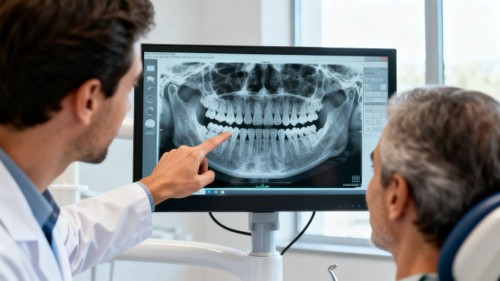
There's no universal answer to whether wisdom teeth should stay or come out. Some people have enough room for these third molars to grow in normally, while others develop crowding, impaction, or repeated infections. The right choice depends on how the teeth are positioned, how easy they are to clean, and what your dentist sees on an exam and dental images. At Canyon Dental in Clarkston, Washington, Dr. Joseph Schmidt helps patients weigh the evidence rather than guess.
What Influences This Decision
A dentist usually looks at more than whether a wisdom tooth is causing pain today. A tooth can be quiet but still sit at an angle, press against a neighboring molar, or remain partly covered by gum tissue. Age, overall oral health, the amount of available space, and your ability to maintain the area all shape the decision. If a wisdom tooth is healthy, fully erupted, functional, and easy to brush and floss, keeping it may be reasonable — a comfortable, cleanable tooth is a very different situation from one that traps food or cannot be reached with ordinary oral hygiene. Your dentist may also consider whether monitoring is practical: keeping a tooth doesn't mean forgetting about it, it means checking it periodically for decay, gum problems, or changes in position.
Benefits of Removing Wisdom Teeth
Removing wisdom teeth can prevent or address problems that are already present. Extraction is more commonly considered when a tooth is impacted, difficult to clean, damaging another tooth, or linked to recurring pain or infection. A partially erupted tooth can be especially troublesome because gum tissue may cover part of its surface, creating a place where food and bacteria collect. A few symptoms and findings often prompt a discussion about extraction:
- Repeated pain, swelling, or infection around the tooth
- Tooth decay that cannot be treated predictably
- Damage or pressure affecting the neighboring molar
- An impacted or poorly angled tooth that is hard to clean
These factors don't make extraction automatic, but they give the dentist a concrete reason to recommend it. Our wisdom tooth treatment page covers what the extraction procedure typically involves, and our general tooth extractions page explains what to expect during recovery.
Benefits of Keeping Wisdom Teeth
The benefits of keeping wisdom teeth apply mainly when the teeth are healthy, properly positioned, and useful. A well-aligned wisdom tooth can contribute to chewing just like another molar, while preserving it avoids an extraction that may not be necessary. The decision is less about keeping every tooth at all costs and more about preserving a tooth that is functioning without creating trouble. It may be safe to leave wisdom teeth in place when they have erupted fully, meet the opposing teeth normally, and can be cleaned thoroughly, without signs of decay, active infection, significant gum disease, or damage to adjacent teeth. Regular examinations remain part of the plan because a tooth that's healthy now can still change over time.
Risks of Keeping Wisdom Teeth
Keeping a wisdom tooth isn't risk-free, particularly when it's partly erupted, crowded, or difficult to reach. Food and plaque can collect around it, and early problems may develop without severe pain. Even a tooth that has behaved well for years deserves attention during regular dental visits.
Warning Signs to Watch For
New symptoms around a wisdom tooth shouldn't be brushed off as ordinary soreness. Pain may come and go, while swelling or a bad taste can point to inflammation or infection. Difficulty opening the mouth, tenderness near the jaw, or a change in how the teeth meet also deserves a dental evaluation. Contact our office if you notice any of the following:
- Swelling in the gum, cheek, or jaw
- Persistent pain or sensitivity near the back molar
- Bleeding, pus, or a foul taste around the tooth
- Trouble opening your mouth or swallowing
These signs don't identify the cause on their own, and home remedies cannot replace an examination. Severe swelling, fever, or difficulty breathing calls for urgent medical attention.
How Your Dentist Helps You Decide
| Factor Considered | Why It Matters |
|---|---|
| Tooth position and angle | Determines eruption path and pressure on neighbors |
| Ability to clean the area | Trapped food and plaque raise decay and infection risk |
| History of pain or swelling | Repeated episodes suggest an unstable situation |
| Overall oral health and age | Affects healing, monitoring plan, and long-term outlook |
Your dentist starts with a clinical examination and may use dental X-rays or other images to understand the tooth's angle, roots, eruption path, and relationship to nearby structures. The goal isn't simply to count teeth or react to pain — it's to compare the likely future of keeping the tooth with the likely benefit of removing it. Tell your dentist about past swelling, difficulty cleaning the area, food getting trapped, or episodes of pain, even if the problem has settled. According to MouthHealthy, the American Dental Association's consumer resource, wisdom teeth that are not removed should continue to be monitored, since the potential for developing problems such as infection, cysts, or damage to nearby teeth still exists as people age.
Conclusion
Whether to keep or remove wisdom teeth comes down to their position, health, function, cleanability, and long-term outlook. Healthy, well-aligned teeth may be monitored, while impacted or repeatedly troublesome teeth may benefit from extraction. You can contact our Clarkston office to schedule an exam and get a plan based on your own mouth.
Frequently Asked Questions
Are there benefits of keeping wisdom teeth?
Yes. If wisdom teeth are healthy, fully erupted, properly aligned, functional, and easy to clean, they can add chewing surface and may not need to be removed. They still require routine monitoring.
What are the benefits of removing wisdom teeth?
Removal can address or prevent problems such as repeated infection, decay, impaction, difficult cleaning, or damage to a neighboring tooth. The expected benefits should be weighed against the risks of the procedure.
Do wisdom teeth always need to be removed?
No. A dentist may recommend keeping them when they are healthy, stable, functional, and unlikely to create problems. Regular examinations are important if they remain.
What are the risks of keeping wisdom teeth?
Potential risks include decay, gum infection, trapped food, impaction-related problems, and damage to nearby teeth. Some issues can develop gradually, which is why monitoring matters.
Can wisdom teeth cause problems without hurting?
Yes. Decay, gum disease, or pressure on a neighboring tooth may begin before noticeable pain appears. Dental examinations and images can reveal problems that symptoms miss.
Is it better to remove wisdom teeth early?
Timing depends on the tooth's development, position, symptoms, overall health, and the dentist's assessment. An individualized recommendation is most useful.
About the Author
Canyon Dental is a general and cosmetic dental practice located at 1303 16th Ave, Clarkston, Washington. The practice is led by Dr. Joseph P. Schmidt, DDS, who earned his Bachelor's degree in Biology from Lewis-Clark State College and his Doctor of Dental Surgery degree from Creighton University in Omaha, Nebraska. Dr. Schmidt is a member of the American Dental Association, the Idaho State Dental Association, and the Oregon Dental Association, and the practice provides preventive, restorative, and cosmetic dentistry to patients throughout the Lewiston-Clarkston valley.
Medical Disclaimer
The information provided in this article is for educational purposes only and does not constitute professional medical or dental advice, diagnosis, or treatment. Whether to keep or remove a wisdom tooth can only be determined through an in-person dental examination and imaging. Always seek the advice of your dentist or other qualified health provider with any questions regarding a dental condition. Never disregard professional advice or delay in seeking it because of something you have read here.
Blog Post Author

Contributed by DentalROI
DentalROI provides relevant dental content to help providers educate patients. The statements, services, and products referenced in this article have not been evaluated by the Food and Drug Administration, and they are not intended as a substitute for professional medical advice, diagnosis, or treatment. Always seek the advice of your dental provider with any questions or issues you may have. Specific recommendations may vary in different circumstances, so individual consultation is important.