

Understanding Full Arch Dental Implants
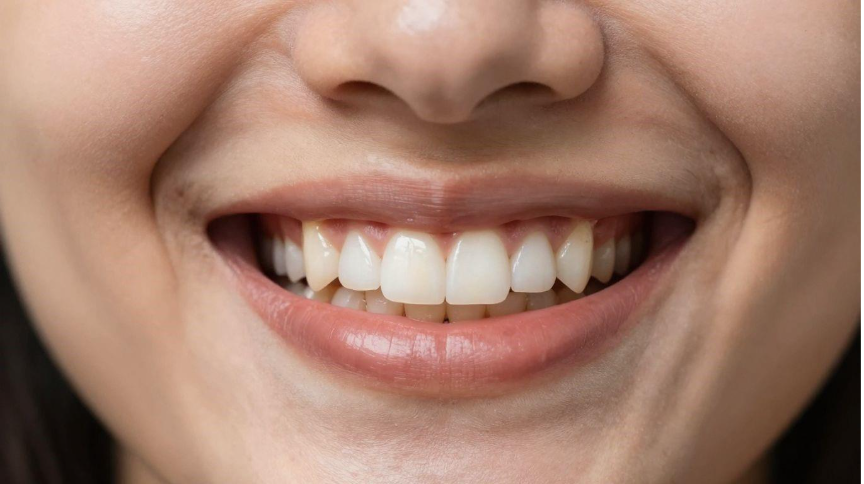
Losing teeth can be a big deal, affecting how you eat, speak, and even how you feel about your smile. For a long time, traditional dentures were the main fix for a full set of missing teeth. But now, there's a more stable and natural-feeling option: full arch dental implants. This approach replaces all the teeth in an upper or lower jaw using a few strategically placed implants. It's a way to get a secure, functional, and great-looking set of teeth back. Regular dental visits can also help patients stay informed about advanced tooth replacement options and maintain long-term oral health.
Key Takeaways
- A full arch dental implant replaces all teeth in one jaw using a few implants anchored in the bone.
- The term 'arch' in dental implants refers to the entire row of teeth in either the upper or lower jaw.
- These implants act as artificial tooth roots, providing a strong foundation for a fixed or removable set of replacement teeth.
- Full arch implants offer benefits like improved stability, better bone health, and a more natural feel compared to traditional dentures.
- The process involves implant placement, healing, and finally, attaching the custom-made prosthetic teeth.
What Is a Full Arch Dental Implant?
When someone talks about a "full arch dental implant," they're referring to a way to replace all of the teeth in either the upper or lower jaw, or sometimes both. Think of it like this: what is considered an arch in dental implants is essentially a full row of teeth. So, what does a dental implant arch mean for someone who's lost many teeth? It means a stable, fixed solution that looks and feels much more like natural teeth than traditional dentures.
Instead of individual implants for every single tooth, a full arch dental implant system uses a strategic number of implants, often just four, to support an entire set of replacement teeth. These implants are small, screw-like posts, usually made of titanium, that are surgically placed into the jawbone. Over time, they fuse with the bone, creating a strong foundation. This process is called osseointegration, and it's what makes the implants feel so secure.
This approach is quite different from having a few single implants scattered throughout the mouth. The goal of full arch dental implants is to provide a complete, functional, and aesthetically pleasing set of teeth for an entire jaw.
- A full arch dental implant replaces a complete row of missing teeth.
- It uses a few strategically placed implants to anchor a full set of artificial teeth.
- This method offers a more permanent and stable solution compared to traditional dentures.
The technology behind full arch dental implants aims to restore not just your smile, but also your ability to eat, speak, and live with confidence, mimicking the function of natural teeth.
How Full Arch Dental Implants Work
So, how exactly do full arch dental implants work to give you a whole new set of teeth? It's pretty clever, actually. Instead of relying on suction or adhesives like traditional dentures, full arch implants use a foundation of titanium posts surgically placed into your jawbone. Think of these posts as artificial tooth roots.
These titanium posts are designed to fuse with your jawbone over time, a process called osseointegration. This creates a really strong, stable base. Once that fusion is solid, a custom-made set of artificial teeth, often called a prosthesis or bridge, is attached to these implants. This means your new teeth are anchored directly to your jaw, not just resting on your gums.
Here's a general breakdown of the process:
- Implant Placement: Small titanium posts are surgically inserted into the jawbone where teeth are missing. For a full arch, typically four to six implants are strategically placed.
- Healing Period: This is where osseointegration happens. The implants bond with the jawbone, which can take a few months.
- Abutment Attachment: Once healed, small connectors called abutments are attached to the implants.
- Prosthesis Fitting: Finally, the full arch prosthesis (your new set of teeth) is secured to the abutments.
The key difference is that the implants provide a stable anchor, preventing the shifting and movement often associated with dentures. This allows for more natural chewing and speaking. It's a more involved process than getting dentures, but the stability and natural feel are big advantages for many people.
Why Full Arch Dental Implants Are Different From Traditional Dentures
When considering options to replace a full set of missing teeth, traditional dentures and full arch dental implants stand out. While both aim to restore your smile and function, they work in fundamentally different ways, leading to distinct patient experiences and long-term outcomes.
Traditional dentures typically consist of a full set of artificial teeth set in an acrylic base that mimics gum tissue. These are often held in place by suction or denture adhesives. They can be a good option for many people, offering a relatively quick and affordable way to regain a smile.
Full arch dental implants, on the other hand, involve surgically placing a small number of titanium posts directly into the jawbone. These posts act as artificial tooth roots. Once they have integrated with the bone, a full arch of prosthetic teeth is attached to them.
- Stability and Security: Because the implants are anchored in the bone, full arch implant restorations are incredibly stable.
- Bone Preservation: The titanium implants stimulate the jawbone, helping to prevent bone loss.
- Comfort: Implant-supported teeth generally feel more comfortable and natural.
- Longevity: Dental implants can last a lifetime with proper care.
Key Benefits of Full Arch Dental Implants for Patients
Full arch dental implants offer a way to replace all of your missing teeth in an arch, providing a stable and natural-feeling solution.
- Improved Stability and Comfort
- Bone Preservation
- Enhanced Chewing Ability
- Natural Appearance
- Durability
The Full Arch Dental Implant Process: What Patients Can Expect
Getting a full arch of dental implants is a journey, and understanding each step can make it feel much smoother.
- Consultation and Planning
- Implant Surgery
- Healing Period
- Abutment Placement
- Prosthesis Placement
The entire process typically spans several months and is designed to create a long-lasting, stable foundation for your new smile.
Wrapping Up Your Full Arch Implant Journey
So, if you're dealing with missing teeth across a whole arch, full arch dental implants are a solid option to consider. Talking with your dentist is the best way to decide if this is right for you. Contact Lewiston and Clarkston Dentist today and take the first step toward a healthier, more confident smile.
Frequently Asked Questions
What exactly is a full arch dental implant?
A full arch dental implant is a way to replace all of your missing teeth on either your top or bottom jaw.
How is a full arch implant different from regular dentures?
Regular dentures rest on your gums, while full arch implants are secured to dental implants placed in your jawbone.
What is the 'All-on-4' treatment?
All-on-4 is a type of full arch dental implant procedure that uses four implants to support an entire row of teeth.
Are full arch implants a permanent solution?
The implants are designed to last a lifetime, while the prosthetic teeth are long-lasting and replaceable if needed.
What does the process of getting full arch implants involve?
The process includes consultation, implant placement, healing, and attaching the final set of teeth.
What are the main advantages of choosing full arch implants?
They provide stability, preserve jawbone health, and restore a natural-looking smile.
Blog Post Author

Contributed by DentalROI
DentalROI provides relevant dental content to help providers educate patients. The statements, services, and products referenced in this article have not been evaluated by the Food and Drug Administration, and they are not intended as a substitute for professional medical advice, diagnosis, or treatment. Always seek the advice of your dental provider with any questions or issues you may have. Specific recommendations may vary in different circumstances, so individual consultation is important.