

What is Fluoride Treatment
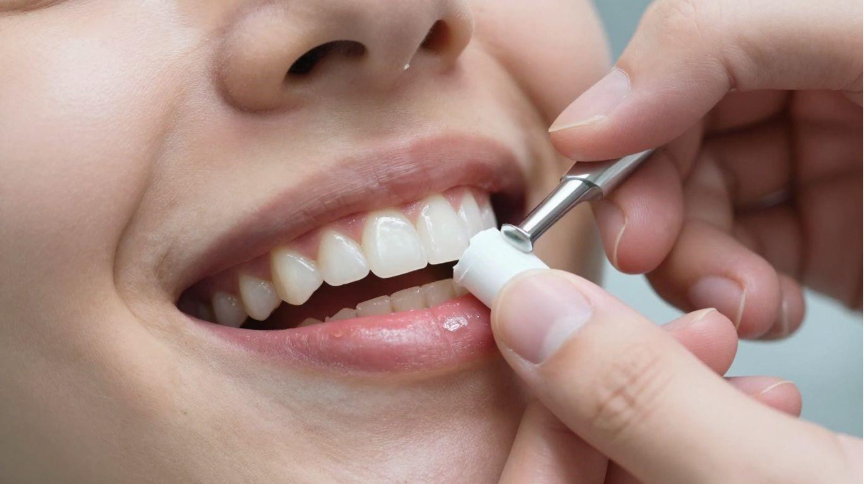
Thinking about your oral health? You might have heard about fluoride treatments, especially if you're looking for ways to keep your teeth strong and cavity-free. But what exactly is a fluoride treatment, and why is it such a common recommendation from dentists? It's a simple yet effective way to give your teeth an extra layer of protection against the everyday wear and tear they face. Let's break down what this dental procedure involves, who it's for, and what you can expect.
Key Takeaways
- A fluoride treatment is a dental procedure where fluoride is applied to the teeth to help prevent cavities and strengthen tooth enamel.
- Professional fluoride treatments at the dentist's office typically involve applying a varnish, gel, or foam directly to the tooth surfaces.
- These treatments are beneficial for people of all ages, especially children, and adults at higher risk for tooth decay due to dry mouth, gum disease, or dental work.
- Fluoride works by making tooth enamel more resistant to acid attacks from sugars and bacteria, and it can even help reverse early signs of decay.
- While fluoride treatments are safe and quick, it's important to follow your dentist's aftercare instructions, such as avoiding certain foods or brushing for a specific period.
What Fluoride Treatment Is and How It Works
So, what exactly is a fluoride treatment? Essentially, it's a way to give your teeth a little extra armor against cavities. Think of it as a boost for your tooth enamel, the hard outer layer that protects your teeth. This process involves applying a concentrated dose of fluoride, a natural mineral, directly to the surfaces of your teeth.
How does it work? Well, every day, your teeth are constantly going through a cycle of losing and gaining minerals. When you eat or drink things with sugar, bacteria in your mouth create acids that can strip minerals from your enamel – this is called demineralization. Fluoride steps in to help reverse this process. It helps your enamel rebuild itself by adding minerals back, a process known as remineralization. This makes your teeth stronger and more resistant to those acid attacks.
What is fluoride treatment for teeth, then? It's a proactive measure to prevent tooth decay. While fluoride is found in many toothpastes and even some water supplies, a professional dental fluoride treatment provides a much higher concentration, giving your teeth a more significant protective effect. It's not just for kids, either; adults can benefit greatly too, especially if they have dry mouth, receding gums, or a history of cavities.
There are a few ways a dental professional might apply fluoride:
- Varnish: A sticky coating painted directly onto your teeth.
- Foam or Gel: Placed into a tray that fits over your teeth for a few minutes.
These treatments are quick and painless, usually taking just a few minutes to complete. The goal is to make your enamel tougher and help repair any early signs of damage before they turn into cavities. It's a simple yet effective way to keep your smile healthy.
What to Expect During a Fluoride Treatment Appointment
So, you're wondering what exactly happens when you go in for a fluoride treatment at the dentist? It's actually a pretty straightforward process, designed to give your teeth a little extra armor against cavities.
First off, the dental professional will likely have you sit comfortably in the dental chair. They'll start by making sure your teeth are clean and dry, which helps the fluoride stick better. Then comes the application. There are a few ways this can happen:
- Varnish: This is a sticky coating that's painted directly onto your teeth. It tastes pretty mild, often like a fruity flavor, and it hardens quickly.
- Foam or Gel: Sometimes, a tray that looks a bit like a mouthguard is used. This tray is filled with a fluoride foam or gel and then placed over your teeth for a few minutes.
Whichever method is used, the actual application part is super quick, usually just a minute or two. You'll just need to keep it in your mouth for the recommended time, which is typically a few minutes. The whole appointment is generally quite brief, often fitting easily into your regular check-up.
After the treatment, you'll get some simple instructions. It's common to be told to avoid eating or drinking for about 30 minutes to an hour, and sometimes to hold off on brushing your teeth for a few hours. This gives the fluoride the best chance to soak into your enamel. You might notice a slightly sticky feeling after a varnish application, but that's normal and will wear off on its own. It's a simple step that makes a big difference in keeping your smile healthy.
Who Can Benefit From Fluoride Treatment
Fluoride treatments are a fantastic way to keep teeth strong and healthy, and they aren't just for kids. While children's developing teeth certainly benefit a lot, adults can gain significant advantages too. The main purpose of fluoride treatments in dentistry is to strengthen tooth enamel, making it more resistant to decay. It can even help reverse early signs of tooth wear.
So, who should consider this treatment? Pretty much anyone looking to boost their teeth's defense against cavities. This includes:
- Children and teenagers: Their teeth are still developing and can be more vulnerable to decay.
- Adults with a history of cavities: If you've had cavities before, fluoride can help prevent future ones.
- Individuals with gum recession: When gums pull back, the root surfaces of teeth can become exposed, and these areas are more prone to decay. Fluoride helps protect them.
- People experiencing dry mouth: Certain medications or health conditions can reduce saliva flow, which is important for washing away food and neutralizing acids. Fluoride can compensate for this lack of natural protection.
- Those with braces or other dental appliances: These can make it harder to clean teeth thoroughly, increasing the risk of decay. Fluoride offers an extra layer of defense.
- Patients with crowns, bridges, or dentures: These restorations can sometimes create areas where plaque accumulates, and fluoride can help keep the surrounding natural teeth healthy.
Essentially, if you're looking for a simple yet effective way to improve your oral health and reduce your risk of tooth decay, a fluoride treatment is worth discussing with your dental professional. It's a proactive step towards maintaining a healthy smile for years to come. You can learn more about the benefits of fluoride at [f90e].
Fluoride works by integrating into the tooth's structure, making the enamel harder and more resistant to the acids produced by bacteria in the mouth. It also helps to remineralize areas where enamel has started to break down, effectively reversing early decay.
Everyday Benefits Patients Notice Over Time
After a professional fluoride treatment, many patients notice a positive difference in their oral health over time. One of the most significant benefits is a noticeable reduction in tooth sensitivity. Teeth that were once bothered by hot or cold temperatures often feel more comfortable, making everyday eating and drinking more enjoyable.
Beyond just comfort, the consistent application of fluoride helps to build stronger tooth enamel. This makes teeth more resistant to the acids produced by bacteria in the mouth, which are the primary cause of cavities. Over time, this increased resistance can lead to fewer cavities and a reduced need for dental fillings.
Patients often report that their teeth feel cleaner and smoother, even between dental visits. This is because fluoride aids in the remineralization process, helping to repair early stages of tooth decay before they become visible problems. This ongoing protection contributes to a healthier mouth overall.
Here are some of the everyday benefits you might experience:
- Reduced tooth sensitivity: Less discomfort from hot, cold, sweet, or acidic foods and drinks.
- Fewer cavities: Stronger enamel means better defense against decay.
- Healthier-feeling teeth: A smoother, cleaner sensation that lasts.
- Improved oral hygiene: Easier to maintain a clean mouth when teeth are more resilient.
Consistent fluoride treatments, combined with good daily brushing and flossing habits, create a powerful defense system for your teeth. This proactive approach helps maintain your natural smile for years to come, reducing the likelihood of more complex dental issues down the road.
Safety, Comfort, and Modern Fluoride Applications
When it comes to fluoride treatments, safety and comfort are top priorities. You might be wondering about the process and what to expect, and that's completely understandable. Dentists use fluoride in carefully controlled amounts, and the treatments themselves are designed to be quick and easy.
The fluoride applied during a professional treatment is a higher concentration than what you find in everyday toothpaste, but it's still very safe when used as directed. It works by strengthening the tooth enamel, making it more resistant to the acids that cause cavities. Think of it like giving your teeth a protective shield. This mineral naturally helps your teeth rebuild themselves, a process called remineralization, which can even reverse early signs of decay.
Here's a look at how modern fluoride treatments are applied:
- Varnish: This is a sticky coating applied with a small brush. It stays on the teeth for a few hours, providing a steady release of fluoride. It's a popular choice because it's easy to apply and doesn't have a strong taste.
- Foam or Gel: These are often placed into a custom-fitted tray that sits over your teeth for a few minutes. The tray ensures even coverage, and the foam or gel form makes it comfortable.
- Rinse: While less common for professional in-office treatments, some patients might be prescribed a fluoride rinse for at-home use.
These treatments are generally very comfortable. The application usually takes just a few minutes, and there's typically no discomfort involved. For children, it's often a simple and quick procedure that doesn't cause any distress. Dentists and hygienists are trained to make the experience as pleasant as possible for everyone.
Modern dental practices focus on making treatments like fluoride application as patient-friendly as possible. The materials used are effective and have a long history of safe use in dental care. Your dental professional will discuss the best option for your specific needs and ensure you feel at ease throughout the appointment.
Wrapping Up Fluoride Treatment
So, that’s the lowdown on fluoride treatments. It’s a pretty straightforward way to give your teeth a little extra armor against cavities. Whether it’s a quick application at the dentist’s office or just using the right toothpaste at home, fluoride really does help keep your smile strong. It’s not just for kids, either; adults can get a lot of benefit from it too, especially if they’ve had cavities before or have certain health conditions. Chat with your dentist about what’s best for you and your teeth. They can help figure out if a fluoride treatment is a good idea and how often you might need one. Taking this simple step can make a big difference in keeping your teeth healthy for years to come. Contact Lewiston and Clarkston Dentist today and take the first step toward a healthier, more confident smile.
Frequently Asked Questions
What exactly is a fluoride treatment?
A fluoride treatment is a way to give your teeth extra protection against cavities. It involves applying fluoride, a natural mineral, directly to the teeth. This can be done at the dentist's office or at home using special toothpaste or mouthwash. It's like giving your teeth a shield to fight off decay.
How does fluoride help prevent cavities?
Fluoride works in two main ways. First, it makes the outer layer of your teeth, called enamel, stronger. This makes it harder for the acids from sugars and bacteria to damage your teeth. Second, if early signs of tooth decay have already started, fluoride can help rebuild the minerals in your enamel, essentially reversing the damage.
Are fluoride treatments only for children?
No, fluoride treatments are beneficial for people of all ages! While children often get them as their teeth develop, adults can also benefit greatly. This is especially true for adults who have dry mouth, gum problems, or a history of cavities, as these conditions increase the risk of tooth decay.
What happens during a fluoride treatment appointment?
During a professional fluoride treatment, a dental hygienist or dentist will apply fluoride to your teeth. This is usually done quickly using a special brush to paint on a varnish, or by using a tray filled with a fluoride foam or gel that fits over your teeth. It's a simple and fast procedure.
Is fluoride treatment safe?
Yes, fluoride treatments are considered very safe when used as directed by dental professionals. Dentists and doctors have been using fluoride for many years to help prevent tooth decay. Only a small amount is used during professional treatments, and it's designed to strengthen your teeth.
What should I do after a fluoride treatment?
Your dentist will give you specific instructions, but generally, you might be asked to avoid eating or drinking for a short period, usually about 30 minutes to an hour, to let the fluoride soak in. You might also be advised to avoid brushing your teeth for a few hours. Sticking to soft foods for the rest of the day is also a good idea.
Blog Post Author

Contributed by DentalROI
DentalROI provides relevant dental content to help providers educate patients. The statements, services, and products referenced in this article have not been evaluated by the Food and Drug Administration, and they are not intended as a substitute for professional medical advice, diagnosis, or treatment. Always seek the advice of your dental provider with any questions or issues you may have. Specific recommendations may vary in different circumstances, so individual consultation is important.