

What Is the Difference Between Invisalign and Traditional Braces for Adults?
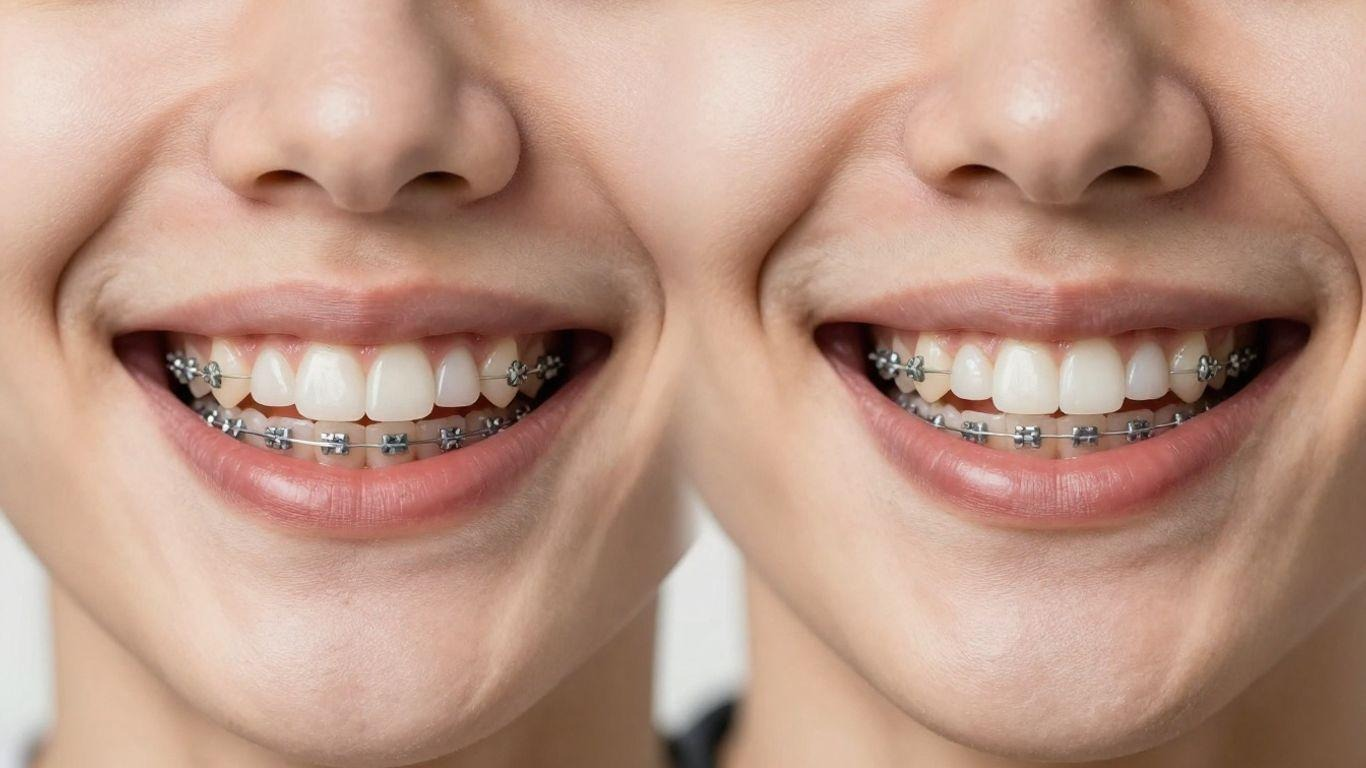
So, you're an adult looking to straighten your smile, and you've heard about Invisalign and traditional braces. It's a common question: what's the real difference between these two popular options? Let's break down the basics of adult orthodontics, looking at Invisalign versus metal braces and clear aligners versus braces for adults.
How Clear Aligners and Traditional Braces Work
At their core, both Invisalign and traditional braces aim to do the same thing: move your teeth into a better position. The main difference lies in how they do it. Traditional braces use a system of metal brackets glued to your teeth, connected by wires that an orthodontist tightens periodically. Think of it as a tried-and-true method that's been around for ages. Invisalign, on the other hand, uses a series of clear, custom-made plastic aligners. You wear these aligners, swapping them out every week or two as your teeth gradually shift. They're designed to be nearly invisible, which is a big draw for many adults.
Invisalign vs Metal Braces: Pros and Cons for Adults
When we talk about adult orthodontics, the Invisalign vs braces debate often comes down to lifestyle and personal preference. Traditional metal braces are super effective, especially for more complex bite issues or severe crowding. They're always working, and you don't have to remember to take them out. However, they can be quite noticeable and sometimes a bit uncomfortable, with wires occasionally poking your cheeks. Invisalign offers a more discreet look and is generally smoother and more comfortable. Plus, you can take them out to eat, drink, and brush your teeth, which makes keeping things clean a bit easier. But, you really have to remember to wear them consistently for them to work properly.
Here's a quick look at how they stack up:
- Appearance: Invisalign is practically invisible; traditional braces are very noticeable.
- Comfort: Invisalign aligners are smooth plastic; braces have brackets and wires that can cause irritation.
- Convenience: Invisalign is removable for eating and cleaning; braces are fixed.
- Effectiveness: Both work well, but traditional braces are often better for very complex cases.
The biggest hurdle for many adults considering braces is the aesthetic factor. Nobody wants to feel self-conscious about their smile while they're actively trying to improve it. This is where Invisalign really shines, offering a way to straighten teeth without drawing a lot of attention.
Comparing Invisalign and Braces for Adult Treatment
When comparing Invisalign vs braces adult treatment, it's not just about looks. Treatment time can vary. For many moderate cases, Invisalign might even be a bit faster than traditional braces, often taking around 12 to 18 months. Traditional braces can sometimes take longer, depending on how much work needs to be done. Your orthodontist will map out a specific plan for you, but generally, both systems require regular check-ups. With Invisalign, these visits are usually quicker, just to make sure things are progressing as planned. With braces, your orthodontist will need to make adjustments to the wires and brackets.
- Feature
- Invisalign
- Traditional Braces
- Appearance
- Nearly invisible clear aligners
- Visible metal brackets and wires
- Removability
- Yes, for eating, drinking, and cleaning
- No, fixed to teeth
- Comfort
- Smooth plastic, custom-fit
- Can cause irritation from brackets/wires
- Oral Hygiene
- Easier, as aligners are removed
- Requires more careful brushing/flossing
- Best For
- Mild to moderate cases, aesthetics-focused
- Complex cases, severe bite issues
Are Braces or Invisalign Better for Adults?
So, you're an adult looking to straighten your teeth, and you've hit the big question: are braces or Invisalign better for adults? It's a common dilemma, and honestly, there's no single "better" answer that fits everyone. Both methods get the job done, but they do it in pretty different ways, and what works best really depends on you, your teeth, and your life.
Key Differences Between Invisalign and Traditional Braces
When you're weighing Invisalign against traditional braces, think about what matters most to you. Are you all about discretion? Do you have a really complex bite issue? Or maybe your budget is the main driver? Let's break it down.
Invisalign is often favored by adults because the clear aligners are nearly invisible, making them a much more subtle option.
Here’s a quick look at how they stack up:
Invisalign:
Pros: Super discreet (hardly anyone will know you're wearing them!), you can take them out to eat and brush your teeth, generally more comfortable with no wires to poke your cheeks.
Cons: You have to remember to wear them for 20-22 hours a day, can be more expensive, and might not be the best choice for very complex bite problems.
Traditional Braces:
Pros: Really effective for all sorts of issues, including the really tricky ones, they're always working (no forgetting to put them in!), and often a bit cheaper.
Cons: They're pretty noticeable (hello, metal mouth!), can be less comfortable due to brackets and wires, and eating certain foods can be a challenge.
Ultimately, the "best" choice is the one that you'll actually stick with. If wearing aligners all the time feels like too much, braces might be the way to go, even if they're less discreet. Conversely, if the thought of metal wires makes you cringe, Invisalign might be worth the extra effort.
It really comes down to your specific dental needs and how well each option fits into your daily routine. Talking it through with your orthodontist is key to figuring out which path will lead you to your dream smile.
Cost and Treatment Time: Invisalign vs Braces
Okay, let's talk about the nitty-gritty: money and time. When you're looking at straightening your teeth as an adult, these two factors often weigh heavily on the decision between Invisalign and traditional braces.
How Much Do Invisalign and Braces Cost?
It's not always a simple 'this one is cheaper' or 'this one is faster' situation. Both treatments have a range, and a lot depends on how complex your specific dental situation is. Generally speaking, traditional metal braces might have a slightly lower starting price point, but Invisalign costs can overlap quite a bit, especially for more involved cases. Think of it this way: braces can sometimes be a bit more budget-friendly upfront, but the total cost can really depend on how long you need treatment and what your dentist or orthodontist charges in your area.
Here's a rough idea of what you might expect, but remember, this is just a ballpark figure:
- Treatment Type
- Estimated Cost Range
- Typical Treatment Time
- Traditional Braces
- $3,000 - $7,000
- 18 - 24 months
- Invisalign
- $3,500 - $8,500
- 6 - 18 months
The actual price tag for either option can swing quite a bit based on a few things:
- How crooked are your teeth? Simple fixes cost less than major overhauls.
- How long will you need treatment? Longer treatment usually means more appointments and higher costs.
- Where do you live? Prices can vary a lot from one city or state to another.
- Does your insurance help? Some dental plans offer coverage for orthodontic work, which can make a big difference.
When it comes to time, Invisalign often has a slight edge for mild to moderate issues. Because you switch out aligners every week or two, you can see progress relatively quickly. Traditional braces, on the other hand, are known for their reliability, especially with more challenging bite problems or severe crowding, but they often take a bit longer to get the job done.
It's really important to remember that consistency is key with Invisalign. If you're not diligent about wearing your aligners for the recommended 22 hours a day, your treatment could take longer or not work as well. Braces, since they're fixed in place, don't rely on your daily effort in the same way.
So, while Invisalign might seem quicker on paper for some, the real-world timeline depends on your commitment and the complexity of your smile's journey.
How to Choose Between Invisalign and Braces
Which Option Is Right for Your Smile?
So, you've decided you want a straighter smile, but now you're stuck between the classic metal braces and the newer Invisalign clear aligners. It's a big decision, and honestly, there's no single "better" option for everyone. It really boils down to what works best for you, your teeth, and your life.
Think about it like this: both are tools to get your teeth where they need to be, but they work a bit differently and fit into your daily routine in unique ways. Your orthodontist is your best guide here, but understanding some key differences can help you have a more informed chat with them.
Here are a few things to chew on when you're trying to figure out which path to take:
Your Smile Goals: Are we talking about a minor tweak or a major overhaul? For really complex bite issues or severely crooked teeth, traditional braces often have the edge because they can apply more consistent, powerful pressure. Invisalign is fantastic for mild to moderate crowding and spacing, and it's super popular for adults who want a less obvious treatment.
Your Lifestyle: Do you have a job where you're constantly in front of people? Are you worried about how braces will look in photos or during important meetings? Invisalign's nearly invisible aligners are a huge plus here. On the flip side, if you're someone who might forget to put your aligners back in after eating or drinking, or if you're prone to losing things, traditional braces might be a more straightforward choice because they're fixed in place.
Daily Habits: Eating and cleaning your teeth are big ones. With Invisalign, you take the trays out to eat, so you can enjoy all your favorite foods without worry and brush and floss normally. With braces, you have to be more careful about what you eat (goodbye, sticky caramel!) and spend extra time cleaning around the brackets and wires to prevent food from getting stuck and causing issues.
Ultimately, the goal is a healthy, straight smile. Both Invisalign and traditional braces can get you there. The choice often comes down to how well the treatment fits into your daily life and whether it can effectively address your specific orthodontic needs. Don't hesitate to ask your orthodontist about the pros and cons for your mouth.
Here's a quick look at how they stack up:
- Feature
- Invisalign
- Traditional Braces
- Appearance
- Nearly invisible clear plastic aligners
- Metal brackets and wires (or ceramic/lingual options)
- Removability
- Yes, for eating and cleaning
- No, fixed to teeth
- Eating
- Eat anything (remove aligners first)
- Avoid sticky, hard, or chewy foods
- Cleaning
- Easy, brush and floss normally
- Requires special brushes and careful technique
- Best For
- Mild to moderate crowding, spacing, bite issues
- Complex cases, severe crowding, significant bite issues
Choosing the right path is a team effort between you and your orthodontist. They'll look at your bite, the position of your teeth, and talk with you about your priorities to help you make the best call for your unique smile.
Final Thoughts on Invisalign vs Traditional Braces
So, what's the big difference between Invisalign and traditional braces for adults? Basically, Invisalign uses clear, removable trays to move your teeth, while braces use metal brackets and wires. Invisalign is super discreet and easy to clean, but braces can handle more complex issues and might be a bit cheaper. The best choice really depends on your smile's needs, your budget, and what fits best into your daily life. Chatting with your orthodontist is key to figuring out which path will lead you to that perfect smile!
Frequently Asked Questions
Are Invisalign or braces better for adults?
Neither is always better. Invisalign is great for adults who want something nearly invisible and easy to take out for eating. Braces are really good for fixing tougher problems with teeth and bites, and you don't have to remember to put them back in.
What's the main difference in how they look?
The biggest difference is how they look. Invisalign trays are clear and hard to see, so most people won't even know you're wearing them. Traditional braces have metal brackets and wires that are pretty obvious.
Can I eat normally with Invisalign or braces?
With Invisalign, you take the trays out to eat and drink anything, so there are no food restrictions. With braces, you have to be careful about hard, sticky, or chewy foods because they can break the brackets or wires.
Is one more comfortable than the other?
Invisalign trays are usually smooth and custom-made, so they tend to be more comfortable and cause less irritation inside your mouth. Braces can sometimes rub against your cheeks and gums, which can be sore.
How long does treatment usually take for adults?
Treatment times can be similar, but Invisalign often takes about 6 to 18 months for simpler issues. Traditional braces might take a bit longer, sometimes 18 to 24 months, especially for more complicated cases.
Which one is usually cheaper, Invisalign or braces?
Generally, traditional braces can be a bit less expensive than Invisalign. However, the final cost for both depends a lot on how complex your dental problem is and how long you need treatment.
Blog Post Author

Contributed by DentalROI
DentalROI provides relevant dental content to help providers educate patients. The statements, services, and products referenced in this article have not been evaluated by the Food and Drug Administration, and they are not intended as a substitute for professional medical advice, diagnosis, or treatment. Always seek the advice of your dental provider with any questions or issues you may have. Specific recommendations may vary in different circumstances, so individual consultation is important.