

Why Do Dental Veneers Chip or Crack and How Can It Be Prevented?
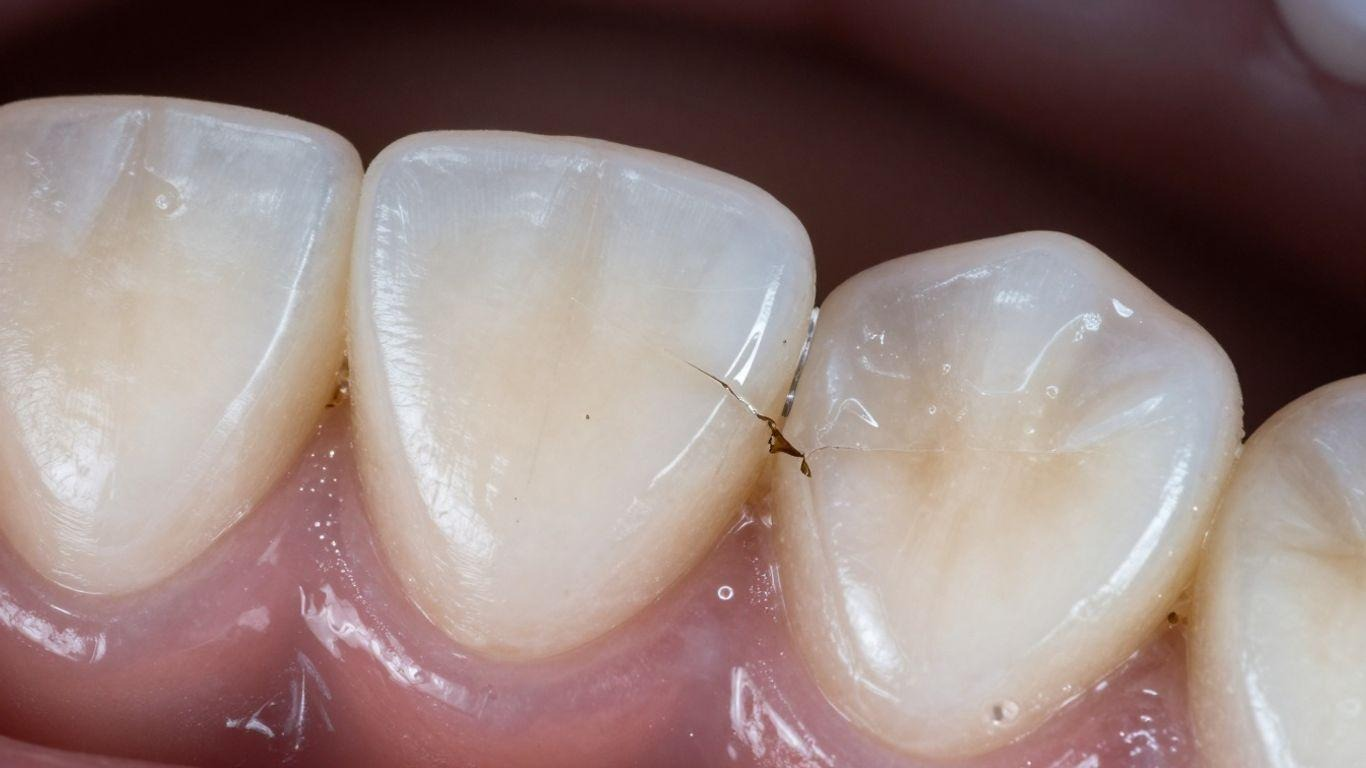
So, you've got these shiny new veneers, and you're loving your smile. But then, bam! You hear a little chip or notice a crack. It's a bummer, for sure. You might wonder, 'Why do dental veneers chip or crack?' Well, it's usually not because you're doing anything terribly wrong. Most of the time, it's a mix of everyday stuff and how the veneers were put on in the first place.
Common Causes of Chipped Dental Veneers
Chipping is probably the most common issue people run into with veneers. It's often a small edge chip, but it can still be annoying. Here are some of the usual suspects:
Biting down on hard things: This is a big one. Think ice cubes, hard candies, or even using your teeth to open a package. Your natural teeth can handle some of that, but veneers, especially porcelain ones, have their limits. They're strong, but not indestructible.
- Sudden impact: Accidents happen. A fall, a sports injury, or even a bump to the face can put enough force on a veneer to cause it to chip or even break.
- Teeth grinding (Bruxism): If you grind or clench your teeth, especially at night, that constant pressure can wear down the veneer over time. It's like rubbing something against a surface for hours on end – eventually, it's going to show wear.
- Improper fit: If the veneer doesn't sit perfectly on your tooth, or if your bite is a bit off, certain spots might take more pressure than others. This uneven force can lead to chipping.
Veneer Cracking Causes and What to Do
Cracking is a bit more serious than a small chip, but the causes are often similar. Sometimes, a crack might start small and get bigger with continued pressure.
It's important to remember that veneers are designed to be durable, but they aren't invincible. Understanding the common reasons for damage helps in taking better care of them and knowing when to seek professional help.
Here's a look at what can lead to cracks and what you should consider:
- Material limitations: While porcelain is tough, it can still crack under extreme stress. Cheaper composite veneers are generally more prone to cracking than porcelain ones.
- Aging and wear: Just like anything else, veneers have a lifespan. Over many years, the bonding material can weaken, or the veneer itself can become more brittle, making it susceptible to cracks.
- Trauma: Similar to chipping, a more significant impact can cause a veneer to crack.
If you notice a crack, don't panic. The first thing to do is avoid putting extra pressure on that tooth. Try not to chew hard foods on that side. You'll want to see your dentist as soon as possible to have it checked out. They can assess the damage and figure out the best way to fix it, whether it's a repair or a replacement.
How to Prevent Porcelain Veneers From Cracking
So, you've got these awesome porcelain veneers, and you want them to stick around for a good long while, right? It's totally doable, but it does mean being a little mindful of how you treat them. Think of them like a really nice set of dishes – you wouldn't use them to hammer nails, would you? Same idea here.
Daily Habits That Protect Your Veneers
Keeping your veneers looking great and, more importantly, intact, comes down to a few smart daily choices. It’s not rocket science, just good sense.
Go easy on the hard stuff: This is a big one. Avoid biting into really hard foods like ice cubes, hard candies, or even those unpopped popcorn kernels. If you love nuts, maybe grind them up first. And definitely don't use your teeth to open packages or bottles. Seriously, just grab scissors or a bottle opener – your veneers will thank you.
Watch out for clenching and grinding: If you're a teeth-clencher or grinder, especially at night (that's called bruxism), it puts a ton of stress on your veneers. A custom-made nightguard is your best friend here. It acts like a buffer, protecting both your veneers and your natural teeth from that constant pressure.
Be careful with your bite: Sometimes, even small things like how your teeth meet when you chew can put uneven pressure on a veneer. Your dentist can check this out for you. If your bite isn't quite right, they can make tiny adjustments to make sure the forces are spread out evenly. This might sound minor, but it makes a huge difference in how long your veneers last.
Trying to fix a chipped veneer yourself with super glue or some over-the-counter kit is a really bad idea. These things can mess up the surface, make it hard for your dentist to fix it properly later, and can even introduce gunk that interferes with the bonding. Just don't do it.
Keep up with your dental check-ups: Those regular visits aren't just for your natural teeth. Your dentist can spot tiny issues with your veneers before they become big problems. They can check the fit, look for any early signs of wear, and give them a professional cleaning that gets rid of stuff you might miss at home.
Dental Veneer Damage: Reasons and Prevention
So, you've got these fancy dental veneers, and you want them to last, right? Sometimes, things happen, and they can chip or even crack. It's not usually a sign that you did something totally wrong, but more about how we use our teeth and what forces they deal with.
Can a Cracked Veneer Be Repaired?
First off, don't panic if you notice a chip or crack. In many cases, a cracked veneer can indeed be fixed. The good news is that dentists can often smooth out small chips or even re-bond a veneer if it's just a minor issue. However, if the crack goes deep into the porcelain or if the veneer has come loose multiple times, your dentist might suggest a replacement. It really depends on the extent of the damage and what will give you the best long-term result.
It's super important to avoid trying to fix it yourself with super glue or anything from the drugstore. Those kinds of fixes can actually make it harder for your dentist to do a proper repair later on. They can leave behind gunk that messes with the bonding, or change how the veneer fits, leading to more problems down the road. Best to just leave it to the pros.
Here's a quick rundown of what might cause damage and how to steer clear of it:
- Bite Issues: Sometimes, even a slight misalignment in how your teeth come together can put extra pressure on a veneer. Your dentist can check this and make small adjustments to even things out.
- Hard Foods & Habits: Biting down on ice, hard candies, or using your teeth to open packages can create stress points.
- Teeth Grinding (Bruxism): If you grind or clench your teeth, especially at night, this can put a lot of force on your veneers.
- Accidents & Sports: A direct hit to the mouth can obviously cause damage.
The key to keeping your veneers looking great is understanding what puts them at risk and taking simple steps to protect them. It's all about being mindful of how you use your teeth and getting professional advice when needed.
What to Do If Your Veneer Chips or Cracks
So, you’ve noticed a chip or maybe even a crack in your veneer. Bummer, right? It’s definitely not ideal, but don't panic. Most of the time, this isn't a full-blown dental emergency, though you do want to get it checked out sooner rather than later. The main goal right now is to protect the tooth underneath and prevent things from getting worse.
When Should You See a Dentist About a Damaged Veneer?
If your veneer has chipped, cracked, or even fallen off, your first move should be to call your dentist. Even if it doesn't hurt, that exposed tooth needs attention. Ignoring it could lead to sensitivity or further damage. Think of it like a small chip in a car's windshield – it might not be a big deal now, but it can spread if you don't get it looked at.
Here’s a quick rundown of what to do and what to look out for:
- Save the veneer: If it’s come off completely, try to find it. Put it in a small container or a plastic bag. Even broken pieces can give your dentist clues about what happened.
- Protect the tooth: If the veneer is loose or has sharp edges, you can cover them with a bit of dental wax (you can get this at most drugstores) to avoid irritating your tongue or cheek. Try not to chew on that side of your mouth.
- Don't try DIY repairs: Seriously, resist the urge to glue it back on yourself with superglue or anything similar. Those household glues aren't meant for your mouth and can actually make it harder for your dentist to fix properly.
- Call your dentist ASAP: Schedule an appointment. They'll figure out the best course of action, whether it's a simple repair or if a replacement is needed. Prompt action is key for the best outcome.
It’s easy to think that if there’s no pain, it’s not a big deal. But even a tiny chip or a slightly loose veneer can compromise the bond and leave your natural tooth vulnerable. Getting it checked out professionally is the safest bet.
Your dentist will examine the damage, check the bond, and look at your bite to figure out the best way to fix it. Sometimes, a small chip can be smoothed out or repaired with bonding material. Other times, especially with larger cracks or if the veneer has come completely loose, a replacement might be the best option to ensure a stable and natural-looking result. Understanding the veneer cracking causes and what to do next is all part of keeping your smile looking great.
Wrapping Up
So, while veneers are pretty tough, they're not invincible. Things like biting down on something super hard, grinding your teeth at night, or even a little accident can cause them to chip or crack. The good news is, most of these issues can be avoided with some common sense and good habits. Paying attention to how you eat, maybe wearing a nightguard if you grind your teeth, and seeing your dentist regularly can make a big difference in keeping your smile looking great for years to come. If something does happen, don't panic! Just get in touch with your dentist, and they can usually fix it up.
Frequently Asked Questions
What makes veneers chip or crack?
Veneers can chip or crack for a few main reasons. Sometimes it's from biting down on really hard stuff, like ice or hard candy, or using your teeth to open things. Grinding your teeth at night is also a big one. Accidents or injuries to your face can also cause damage. Even just regular wear and tear over many years can sometimes lead to cracks.
Can I prevent my veneers from breaking?
Yes, you can definitely help prevent this! Try not to bite hard foods or use your teeth as tools. If you grind your teeth, especially at night, wearing a special mouthguard called a nightguard can really help protect them. Also, it's a good idea to chew tougher foods in smaller bites and avoid chewing on things like pens.
What should I do if my veneer chips or cracks?
If your veneer chips or cracks, the first thing to do is try not to worry too much. Then, call your dentist right away. They need to check it out to see how bad the damage is and what the best way to fix it is. Don't try to glue it back yourself with superglue or anything like that, as it can make it harder for the dentist to repair it properly.
Are porcelain veneers better than composite ones?
Porcelain veneers are generally stronger and last longer than composite veneers. Composite veneers are usually less expensive and can look good, but they tend to chip or wear down more easily. Porcelain ones are more resistant to chipping and staining, but they can still break if they experience too much force.
How long do veneers usually last?
With good care, porcelain veneers can last a long time, often 10 to 15 years, sometimes even longer. However, they aren't permanent. Things like how you take care of them, if you grind your teeth, or if you have an accident can affect how long they stay in good shape.
Will a chipped veneer need to be replaced?
Not always! A small chip might just need a simple repair, kind of like fixing a small chip on a car windshield. Your dentist will look at the damage. If it's just a surface chip, they can often smooth it out or add a little bonding material. But if it's a bigger crack or the veneer is loose, it might need to be replaced.
Blog Post Author

Contributed by DentalROI
DentalROI provides relevant dental content to help providers educate patients. The statements, services, and products referenced in this article have not been evaluated by the Food and Drug Administration, and they are not intended as a substitute for professional medical advice, diagnosis, or treatment. Always seek the advice of your dental provider with any questions or issues you may have. Specific recommendations may vary in different circumstances, so individual consultation is important.