

Why Floss Gets Stuck and What You Can Do About It?
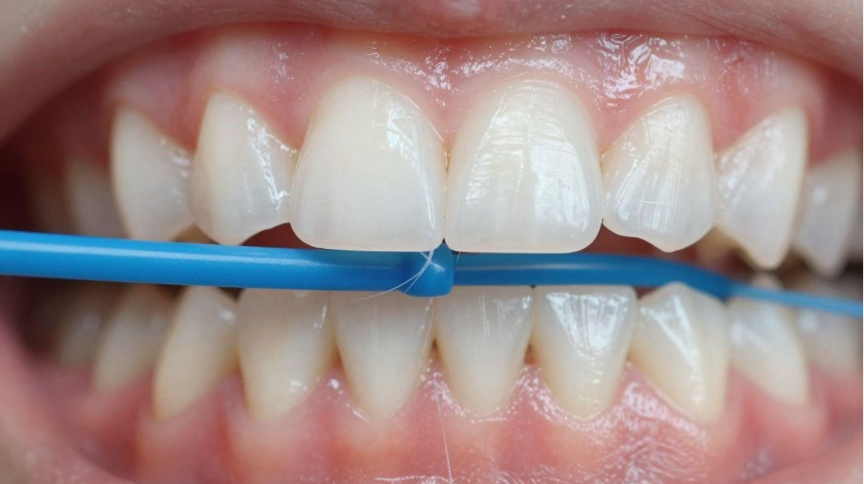
It can be really frustrating when you're trying to do something good for your mouth, like flossing, and the floss just decides to get stuck. It’s not a fun feeling, and it can make you wonder if you're doing something wrong or if there's a bigger issue. But usually, it comes down to a few common things. The shape of your teeth and the spaces between them play a big role. Teeth aren't perfectly flat where they meet; they have curves and contours. These natural nooks and crannies are where food bits and plaque like to hide, and sometimes, they can grab onto the floss. If your teeth are packed in pretty tightly, there's just not much room for the floss to slide through easily, and it can get wedged. This article will explore why floss sometimes gets stuck in your teeth, what it means, and what you can do about it.
Key Takeaways
- Floss can get stuck due to tight tooth spacing, rough tooth surfaces from decay or old fillings, plaque buildup narrowing the gaps, or the type of floss used.
- Incorrect flossing technique, such as using a forceful sawing motion instead of a gentle C-shape, can also cause floss to get wedged between teeth.
- If floss consistently gets stuck in the same spot, it might indicate a dental issue like a cavity, a rough filling, or tartar buildup that needs professional attention.
- When floss gets stuck, try gently wiggling it out or changing the angle; avoid yanking forcefully to prevent gum damage.
- Switching to a different type of floss, like waxed floss, or using interdental brushes can help make cleaning between teeth easier and prevent floss from getting stuck.
Why Flossing Matters for Long-Term Oral Health
Many people think brushing their teeth is enough to keep their mouth clean, but that's really only half the story. Brushing does a good job cleaning the surfaces you can see, but it can't quite reach into those tight spots between your teeth or down along the gumline. That's where flossing comes in. It's the unsung hero of your daily routine, working hard to remove the bits of food and plaque that your toothbrush misses.
When you skip flossing, those tiny food particles and the sticky film called plaque can hang around. Plaque is basically a breeding ground for bacteria. If it's left undisturbed, it can harden into tartar, which is much tougher to get rid of and often needs a professional cleaning to remove. This buildup isn't just unsightly; it's a direct pathway to problems.
Here’s a quick look at what happens when plaque isn't removed:
- Gum Irritation and Disease: Bacteria in plaque irritate your gums, leading to redness, swelling, and bleeding. This is the start of gingivitis, and if it progresses, it can become a more serious condition called periodontitis, which can damage the bone supporting your teeth.
- Tooth Decay: The acids produced by bacteria in plaque can eat away at your tooth enamel, creating small holes that can turn into cavities.
- Bad Breath: Trapped food particles and the bacteria feasting on them are a common cause of persistent bad breath.
Regular flossing is a simple yet powerful way to prevent these issues and maintain a healthy smile for years to come. It helps keep your gums firm, your teeth strong, and your breath fresh. Think of it as a necessary step for overall oral wellness, not just an optional add-on.
Common Reasons Floss Gets Stuck Between Teeth
Everyone has moments when they just can't get floss between teeth, and it can be more than a little annoying. Understanding why floss sometimes gets stuck in your teeth helps you know if it's just a minor hassle or something worth mentioning at your next dental cleaning.
The main reasons someone can't get dental floss between teeth often include:
- Tight Spaces Between Teeth: Some folks have teeth that are packed in pretty close together. That means very little room for even slim floss to slip through, especially in the back where the spaces are tiniest. Lots of people complain they can't get floss between back teeth for this reason.
- Rough or Jagged Tooth Surfaces: Old fillings, crowns that aren’t perfectly smooth, or even small chips can create snags that catch floss. If you recently had dental work and now you can't get floss between teeth after filling, chances are there's a ledge or rough patch that the floss keeps catching on.
- Buildup of Plaque or Tartar: When plaque gathers between teeth, it narrows the already tight space. This buildup can make it feel like floss can't get between teeth whatsoever.
- The Type of Floss Matters: Not all floss is made equal. Some are thicker, some shred more easily, and unwaxed floss especially gets stuck in tricky spots. Waxed varieties tend to slide a little easier between snug teeth.
- Incorrect Flossing Technique: Sometimes, the issue isn’t the teeth or floss, but how it's being done. Forcing the floss with a strong up-and-down motion can make it fray or wedge tight between teeth. The key is gentle wiggling and curving the floss against the tooth.
If someone constantly finds that they can't get floss in between teeth, especially in the same spot every day, it could be a sign of a small cavity or rough spot that needs a dentist to check it out.
- floss can't get between teeth – Tight contact points
- can't get floss between teeth after filling – Rough or high filling
- can't get floss between back teeth – Narrow space, plaque
- can't get dental floss between teeth – Buildup/tight anatomy
Don’t get discouraged if flossing feels tricky. Usually, a bit of patience or a change in floss type or technique can help smooth things out, though if the problem sticks around, it might be time to have your dentist take a look.
Signs That Floss Getting Stuck May Indicate a Dental Issue
It's easy to dismiss floss getting stuck as just a minor annoyance, but sometimes, it's your mouth sending a signal that something needs a closer look. If you find yourself wrestling with the floss in the same spot regularly, it might be more than just a tight space.
Here are a few things that could be going on:
- Rough Spots on Teeth: Over time, teeth can develop tiny imperfections. Old fillings that aren't perfectly smooth anymore, minor chips, or even the start of a cavity can create little snags. These rough edges can catch the floss, making it difficult to slide through.
- Plaque Buildup: When plaque isn't removed effectively, it can build up, especially in areas that are hard to reach. This buildup can actually narrow the space between your teeth, making it a tighter fit for the floss and increasing the chances of it getting stuck.
- Dental Work Issues: Sometimes, the edges of crowns, bridges, or even fillings can become slightly rough or develop a small overhang. These can create a snagging point for floss that wasn't there before.
If floss consistently gets stuck in the same area, it's a good idea to pay attention. It could be an early warning sign of a developing problem like a cavity or a buildup of tartar that needs professional cleaning. Ignoring these signals might allow small issues to become bigger ones down the road.
Think of it like a loose thread on a favorite sweater. You can usually tuck it back in or snip it off easily. But if you ignore it, it can unravel into a much bigger problem. The same applies to your oral health; addressing small issues early can prevent more significant dental concerns later on.
What You Can Do If Floss Gets Stuck
It's definitely a bit of a nuisance when the floss decides to play hard to get and gets wedged between your teeth. Don't worry, though; it happens more often than you might think. The first thing to remember is to stay calm and avoid yanking it out forcefully. That can sometimes make the situation worse, potentially irritating your gums or even breaking the floss, leaving a piece behind.
Try a gentle approach first. Gently wiggle the floss back and forth, almost like a tiny sawing motion, in the direction it came from. Sometimes, changing the angle slightly can help it find its way out. If that doesn't work, and you have one handy, an interdental brush can sometimes be useful. These look a bit like small pipe cleaners and can sometimes dislodge stubborn floss.
Here are a few steps to try:
- Gentle Wiggling: Use a soft, side-to-side motion to ease the floss out. Don't force it.
- Angle Adjustment: Try approaching the trapped area from a slightly different direction.
- Consider a Tool: If available, an interdental brush might help dislodge it.
- Rinse: Swishing with water can sometimes help loosen debris holding the floss.
If you've tried these gentle methods and the floss is still stuck, or if you notice any bleeding or discomfort, it's best to stop trying to force it. Leaving floss stuck for too long can lead to irritation and other issues.
If the floss remains stubbornly lodged, or if this happens frequently in the same spot, it might be a sign that something else is going on. It's a good idea to let your dentist know. They have the right tools and know-how to remove it safely without causing any harm to your teeth or gums. They can also check if there's an underlying reason, like a rough filling or a tight spot, that's causing the problem in the first place.
When Professional Dental Care May Be Needed
Sometimes, even with the best intentions, floss can get stubbornly stuck, or you might notice it happening more often than usual. If you've tried gentle methods to free the floss and it's still lodged, or if you're experiencing persistent discomfort, it's time to consider a visit to your dentist.
Here are a few signs that suggest it's time to seek professional help:
- Persistent Pain or Irritation: If the area where the floss is stuck feels sore, tender, or irritated for more than a day or two, even after you've managed to remove it, it's worth getting checked out. This could indicate a gum issue that needs attention.
- Signs of Infection: Look out for any swelling, redness, pus, or a bad smell coming from your gums. These are clear indicators of an infection that requires immediate dental care.
- Frequent Snagging: If floss consistently gets stuck in the same spot between your teeth, it might point to an underlying problem. This could be a rough filling, a cavity, or significant plaque buildup that a dentist can identify and address.
- Difficulty Removing Floss: If you've tried to remove the floss using gentle techniques and it remains stuck, or if you've accidentally injured your gums in the process, it's best to let a dental professional handle it.
Trying to force stuck floss out can sometimes cause more harm than good. A dentist has the right tools and knowledge to remove it safely without damaging your gums or teeth. They can also figure out why it's getting stuck in the first place and offer solutions.
Don't hesitate to call your dentist if you're concerned. They can help resolve the immediate issue and ensure your long-term oral health stays on track.
Wrapping Up: Keeping Your Smile Floss-Ready
So, while it can be a bit annoying when floss gets stuck, remember it's usually a sign that something simple needs a little attention. Whether it's trying a different type of floss, adjusting your technique, or just taking a moment to gently wiggle it free, most of the time you can sort it out yourself. But if floss keeps getting snagged in the same spot, don't hesitate to mention it at your next dental visit. Your dentist can check for things like rough spots or buildup that might be causing the trouble. The main thing is not to let a stuck piece of floss make you give up on flossing altogether, because keeping those spaces clean is really important for healthy gums and teeth.
Frequently Asked Questions
Why does floss sometimes get stuck between my teeth?
Floss can get stuck for a few reasons. Teeth that are very close together, rough edges from old fillings, or a buildup of plaque can make it hard for floss to slide through. Sometimes, the type of floss you use or your flossing technique can also cause the floss to snag.
Is it bad if floss gets stuck and I can’t get it out?
Leaving a piece of floss stuck between your teeth isn’t good. It can irritate your gums and trap food or bacteria, which can lead to bad breath, cavities, or gum problems. If you can’t remove it gently, it’s best to see your dentist for help.
Can the type of floss I use make a difference?
Yes, it can! Waxed floss usually slides between teeth more easily, especially if your teeth are close together. Unwaxed floss can fray and catch on rough spots. If you have trouble, try switching to a different kind of floss or even an interdental brush.
What should I do if floss gets stuck and won’t come out?
Don’t pull hard or yank the floss, as this can hurt your gums or break the floss. Try gently wiggling it back and forth or changing the angle. If that doesn’t work, schedule a visit with your dentist to safely remove it.
Does flossing technique matter in preventing floss from getting stuck?
Yes, technique is important. Use a gentle sawing motion to guide the floss between your teeth, and curve it into a C-shape around each tooth. Avoid snapping the floss down or forcing it, as this can make it more likely to get stuck.
When should I see a dentist about floss getting stuck?
If floss always gets stuck in the same spot, or if you notice pain, bleeding, or a rough area on your tooth, it’s a good idea to see your dentist. This could be a sign of a cavity, a broken filling, or tartar buildup that needs professional care.
Blog Post Author

Contributed by DentalROI
DentalROI provides relevant dental content to help providers educate patients. The statements, services, and products referenced in this article have not been evaluated by the Food and Drug Administration, and they are not intended as a substitute for professional medical advice, diagnosis, or treatment. Always seek the advice of your dental provider with any questions or issues you may have. Specific recommendations may vary in different circumstances, so individual consultation is important.