

Why Keeping Healthy Wisdom Teeth Can Be Beneficial
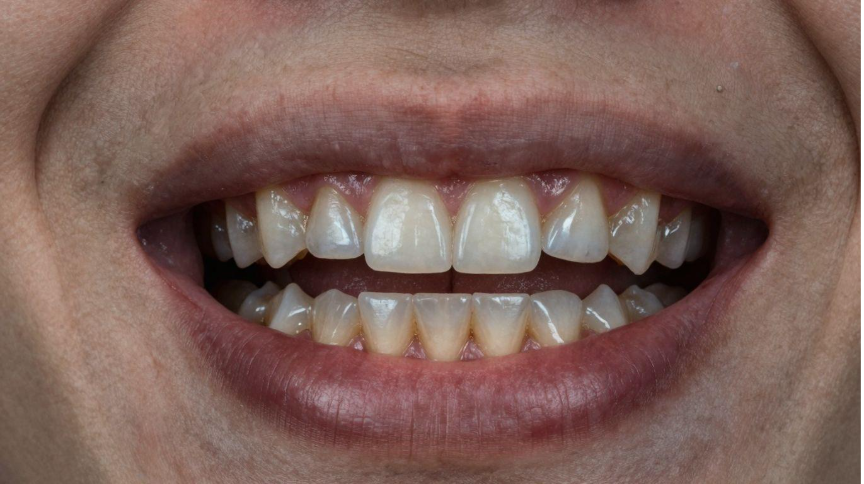
Wisdom teeth, those final molars to arrive, often get a bad rap. Many people assume they need to be removed, but have you ever thought about the benefits of keeping them? It turns out, when these teeth are healthy and properly positioned, they can actually be quite useful. This article will look at why keeping your wisdom teeth might be a good idea and what to consider when making that choice.
Key Takeaways
- Healthy, well-positioned wisdom teeth can help with chewing and breaking down food.
- Keeping wisdom teeth can help maintain the natural alignment of your other teeth and jaw structure.
- Wisdom teeth are durable and can serve as backups if other molars are lost or damaged over time.
- While there are benefits to keeping wisdom teeth, removal is often necessary if they cause pain, impaction, crowding, or infection.
- The decision to keep or remove wisdom teeth should be made with a dentist, considering individual oral health and potential risks of both options.
What Makes a Wisdom Tooth “Healthy”?
Wisdom teeth, those final molars to arrive, often get a bad rap. But not all of them are destined to cause trouble. A wisdom tooth is considered healthy when it's properly positioned and free from issues.
A healthy wisdom tooth erupts fully into the mouth and sits in a good spot, not crowding or damaging its neighbors. It should be easy to clean, just like any other tooth. This means it's not angled awkwardly, trapped under the gums (impacted), or causing pain.
Here’s a quick rundown of what makes a wisdom tooth a keeper:
- Proper Alignment: It comes in straight and doesn't push against other teeth.
- Full Eruption: The entire tooth is visible above the gum line.
- Accessibility for Cleaning: You can reach it with your toothbrush and floss.
- No Decay or Gum Disease: It's free from cavities and gum inflammation.
Basically, if your wisdom tooth is behaving itself and can be kept clean without a fuss, it's likely a healthy one. It's not causing pain, infection, or problems for the rest of your teeth.
When a wisdom tooth is healthy, it functions just like any other molar. It can help with chewing and doesn't pose a risk to your overall oral health. The key is its position and ability to be maintained.
How Healthy Wisdom Teeth Can Support Your Smile
It might surprise you, but those back molars, your wisdom teeth, can actually do some good for your smile if they're healthy and positioned right. Think of them as extra helpers for your mouth.
When they come in properly, wisdom teeth can make chewing more efficient. They give you more surface area to grind food, which means your other teeth don't have to work quite as hard. This can be especially helpful if you sometimes grind your teeth, perhaps when you're feeling stressed.
Here are a few ways they can help:
- Chewing Power: They add to your ability to break down food, making digestion a bit easier from the start.
- Keeping Things in Place: Properly aligned wisdom teeth help keep your other teeth from shifting around. This helps maintain the natural alignment of your bite.
- Backup Support: If, down the road, you happen to lose or damage another molar, a healthy wisdom tooth can step in and help with chewing functions.
Keeping your natural teeth, including healthy wisdom teeth, is generally better for maintaining the structure of your jaw and overall oral health compared to artificial replacements.
These teeth are pretty sturdy, too. If they're healthy, they can last a long time and provide ongoing support for your dental health.
Long-Term Upsides to Keeping Wisdom Teeth
It's true that wisdom teeth often get a bad rap, and many people end up having them removed. However, if your wisdom teeth are healthy and properly positioned, keeping them can actually offer some pretty good benefits down the road. Think of them as extra players on your dental team, ready to help out.
One of the main advantages is improved chewing. When your wisdom teeth come in correctly, they add more surface area to your molars. This means you can grind food more effectively, which is especially helpful for tougher foods. Having a full set of molars can make chewing more efficient and comfortable.
Keeping your wisdom teeth can also help maintain the natural structure of your mouth. They act like little anchors, supporting the teeth next to them and helping to keep everything aligned. If you were to have them removed, especially without replacement, there's a chance your other teeth might start to shift over time. This shifting can sometimes lead to issues with your bite or make cleaning harder, potentially causing other problems later on.
Here are a few more points to consider:
- Backup Support: Wisdom teeth can act as backup molars. If one of your other molars wears down or gets damaged over the years, your wisdom teeth can step in to help with chewing.
- Jaw Structure: They contribute to the overall structure and stability of your jawbone.
- Cavity Prevention: In some cases, they can offer a bit of extra protection to the molars in front of them, which are often more prone to cavities.
While the benefits of keeping wisdom teeth are real, it's not a one-size-fits-all situation. The decision really depends on your individual oral health. Sometimes, the benefits of keeping wisdom teeth are outweighed by the risks they might pose if they're impacted or causing issues.
So, while there are definite benefits of keeping wisdom teeth, it's always best to discuss your specific situation with your dentist. They can help you weigh the pros and cons, considering everything from the potential benefits of removing wisdom teeth to the advantages of keeping them, to make the best choice for your long-term oral health.
When Keeping Wisdom Teeth Isn’t the Best Choice
While keeping your wisdom teeth can offer benefits, there are definitely times when taking them out is the smarter move for your oral health. It's not always a straightforward decision, and sometimes, these late-arriving molars just cause more trouble than they're worth.
One of the main reasons for removal is when wisdom teeth don't have enough room to come in properly. This can lead to them becoming impacted, meaning they get stuck under the gum or push against other teeth. When this happens, it can cause:
- Pain and Discomfort: Impacted teeth can put pressure on your jaw and surrounding teeth, leading to significant pain.
- Damage to Other Teeth: They might push your other teeth out of alignment, making them harder to clean and increasing the risk of decay.
- Infection: The tight space where an impacted tooth tries to emerge can trap food and bacteria, creating a breeding ground for infection.
- Cysts: In some cases, a fluid-filled sac, or cyst, can form around an impacted wisdom tooth, which can damage the jawbone and nearby nerves.
Sometimes, even if they aren't fully impacted, wisdom teeth can come in at awkward angles. This can make cleaning them difficult, increasing the chance of cavities and gum disease right at the back of your mouth where it's already tricky to reach. If your wisdom teeth are causing problems like pain, swelling, or crowding, it's usually best to have them removed.
It's also worth noting that while extraction is generally safe, there are potential risks. These can include temporary or permanent numbness in the lower lip or chin if nerves are affected, or a condition called dry socket, which is a painful healing complication. However, dentists are experienced in managing these risks, and for many people, the benefits of removing problematic wisdom teeth outweigh these potential downsides.
Making the Right Decision for Your Oral Health
Deciding whether to keep or remove your wisdom teeth isn't always straightforward. It really comes down to what's best for your individual mouth. Your dentist is the best person to help you figure this out. They'll look closely at how your wisdom teeth are positioned, if they're healthy, and how they fit with your other teeth.
The goal is to make a choice that supports your long-term dental well-being. Sometimes, healthy, properly aligned wisdom teeth can actually be a good thing. They can help with chewing, support the structure of your jaw, and even act as backups if other teeth are lost later on. Keeping them might also save you the cost and potential complications associated with removal surgery.
However, if your wisdom teeth are causing problems – like pain, crowding, or damage to nearby teeth – then taking them out is often the recommended path. It's all about balancing the potential benefits against any risks they might pose.
Here’s a quick look at factors to consider:
- Health Status: Are the teeth healthy, or showing signs of decay or infection?
- Alignment: Are they coming in straight, or are they impacted and pushing against other teeth?
- Symptomatic: Are they causing pain, swelling, or other discomfort?
- Jaw Space: Is there enough room for them to erupt without causing crowding?
It's important to remember that not everyone develops wisdom teeth, and even if you do, they might not cause any issues. A thorough examination by your dentist is key to understanding your specific situation.
Ultimately, the decision should be a collaborative one between you and your dental professional. They can provide the information you need to understand the potential benefits of keeping your wisdom teeth, like improved chewing efficiency, and weigh that against the reasons why extraction might be necessary for your oral health.
So, What's the Takeaway on Wisdom Teeth?
It turns out those wisdom teeth in the back aren't always the troublemakers they're made out to be. When they come in straight and healthy, they can actually lend a hand with chewing, help keep your other teeth from shifting around, and just generally add some extra strength to your bite. Of course, they can also cause problems if they're crowded or impacted. The main thing is to chat with your dentist and maintain regular dental visits. They can take a look, see how your wisdom teeth are doing, and help you figure out the best plan for keeping your smile healthy, whether that means keeping them or saying goodbye. Contact Lewiston and Clarkston Dentist today and take the first step toward a healthier, more confident smile.
Frequently Asked Questions
Do all people get wisdom teeth?
Not everyone develops wisdom teeth. Some individuals might have one, two, three, or even none at all. It varies from person to person.
Can wisdom teeth cause headaches?
Yes, when wisdom teeth are impacted or growing incorrectly, they can put pressure on the teeth next to them. This pressure can sometimes lead to headaches.
How long does it take to get better after wisdom teeth are removed?
Recovery time can differ, but many people feel much better within a few days to a week. Full healing might take a bit longer, but most discomfort eases up relatively quickly.
Is getting wisdom teeth pulled painful?
During the procedure, dentists use anesthesia to ensure you don't feel any pain. Afterward, you might feel some soreness, but pain medication can help manage this.
If wisdom teeth are removed, can they grow back?
No, once wisdom teeth are taken out, they do not grow back. The area heals, and the tooth is gone for good.
Can I keep my wisdom teeth if they don't cause any problems?
Absolutely! If your wisdom teeth are healthy, have enough space to come in properly, and aren't causing any pain or issues for your other teeth, keeping them is often a good choice. Regular dental check-ups will help monitor their health.
Blog Post Author

Contributed by DentalROI
DentalROI provides relevant dental content to help providers educate patients. The statements, services, and products referenced in this article have not been evaluated by the Food and Drug Administration, and they are not intended as a substitute for professional medical advice, diagnosis, or treatment. Always seek the advice of your dental provider with any questions or issues you may have. Specific recommendations may vary in different circumstances, so individual consultation is important.