
Can Wisdom Teeth Grow Back After Removal?
Can Wisdom Teeth Grow Back After Removal?
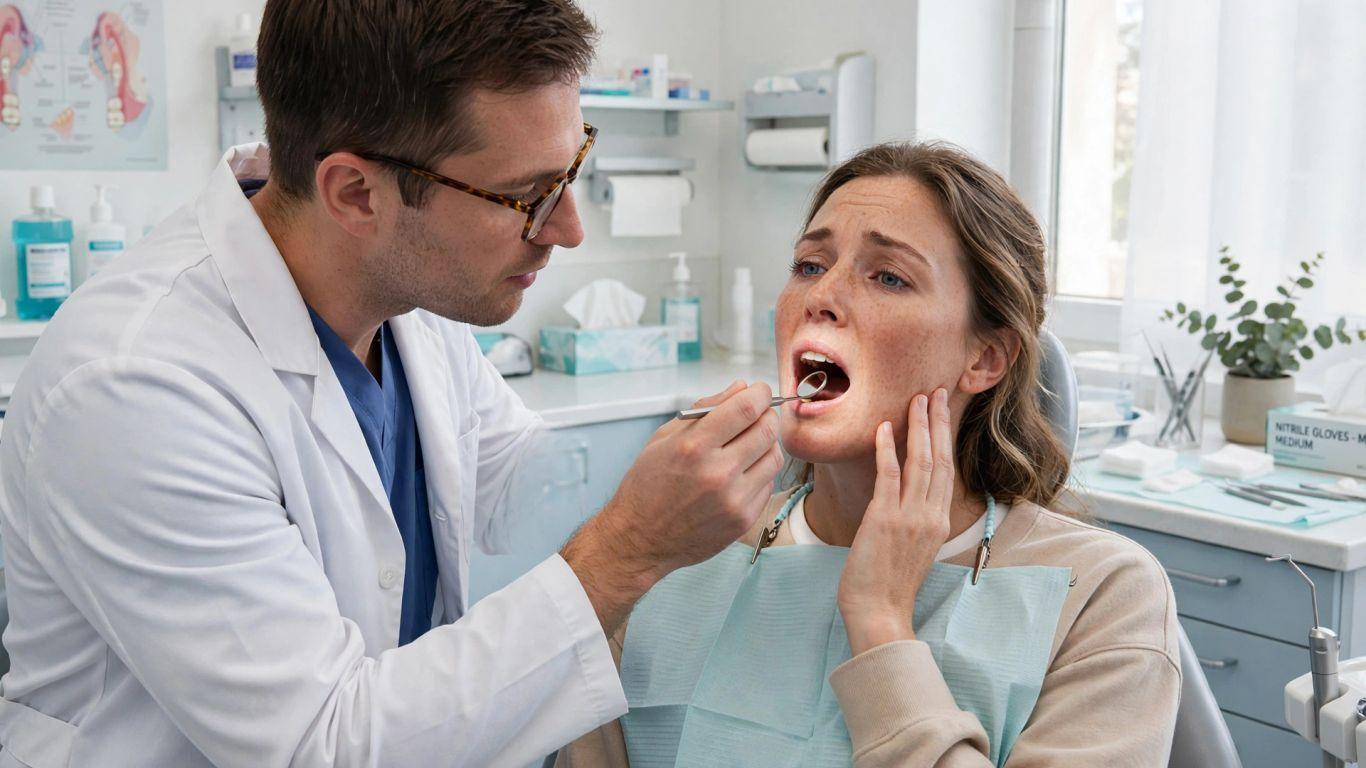
A fully removed wisdom tooth does not grow back. Still, a hard spot or new discomfort at the back of the mouth can make it seem as if another tooth is appearing. The key question is whether the tooth was completely removed, left partly in place, or never taken out at all. For background on the procedure, see our page on wisdom tooth surgery.
Why an Extracted Tooth Can't Regenerate
Wisdom teeth are permanent teeth, and the body does not grow a replacement after one has been extracted. Unlike baby teeth, which are replaced during childhood, adult teeth do not have another set waiting to take their place. So a fully removed adult tooth cannot regenerate in the same spot.
Why a Wisdom Tooth May Erupt Years After Other Teeth
Wisdom teeth often emerge later than the other adult teeth, and some remain beneath the gums for years. If one was never removed, it may become noticeable later as it shifts or begins to erupt. That can feel like a tooth has returned, even though it is the first time that particular tooth has become visible.
How the Answer Depends on What Was Removed
The details of the procedure can change what a person feels afterward. In some cases, the whole tooth was removed; in others, a portion may have been left in place as part of the treatment plan.
| What happened | What may be felt later |
|---|---|
| The entire wisdom tooth was removed | A healing change, bone fragment, or nearby tooth may be mistaken for regrowth |
| Part of the tooth was intentionally left in place | The remaining portion may become noticeable or need follow-up |
| The wisdom tooth was never removed | The original tooth may become visible as it erupts |
The table describes possibilities, not a diagnosis. If the records are unclear or a new hard area appears, a dentist can check what was removed and whether the spot is a tooth, bone, or something else.
What Can Feel Like a Wisdom Tooth Growing Back?
A bump or sharp feeling at an old extraction site does not necessarily mean a new tooth is growing. Healing tissue, a small piece of bone, or part of a tooth left behind can all feel firm under the tongue. Pain nearby may also come from a different tooth, so the location alone cannot identify the cause.
A Small Root Fragment Left Behind
A small piece of root can sometimes remain after an extraction, whether deliberately or because removing it would pose a greater risk. It may not cause any trouble, but if it becomes exposed or irritated, it can feel like a hard point beneath the gum. A dentist can determine whether a fragment is present and whether it needs attention.
A Sharp Bone Fragment Working Through the Gums
As the extraction area heals, a tiny piece of bone may work its way toward or through the gum surface. It can feel sharp when touched with the tongue and may be mistaken for a tooth edge. Avoid trying to dig it out yourself; a dentist can assess the area and advise whether it needs care.
Swelling or a Bump as the Extraction Site Heals
Healing tissue can feel raised or tender, especially after a recent procedure, and the area may change as it settles. A bump that is new, worsening, or still concerning deserves a dental check rather than repeated poking. Our post with tips for after wisdom teeth removal explains what normal healing looks like.
A Nearby Molar Causing Pain in the Same Area
A tooth next to the extraction site can cause pain that seems to come from the old wisdom tooth area. The discomfort may be hard to pinpoint, particularly when it spreads along the jaw or feels worse while chewing. Looking at the neighboring teeth helps distinguish pain from the extraction site itself.
When a Tooth May Appear After Wisdom Tooth Removal
Sometimes a tooth really does become visible near the back of the mouth after someone remembers having wisdom teeth removed. That does not mean an extracted adult tooth regenerated. More often, the history is incomplete, a portion of a tooth was left behind, or an uncommon extra tooth is involved.
A Wisdom Tooth That Was Never Removed
People may have several wisdom teeth, and not every one is necessarily removed during the same procedure. A tooth that remained beneath the gum can erupt later and be mistaken for one that was taken out. Dental records or an examination can help clarify which teeth were removed and which may still be present. You can also read our post on whether it is better to keep or remove your wisdom teeth.
Roots Left in Place During a Partial Extraction
In a procedure sometimes called a coronectomy, the crown of a wisdom tooth is removed while its roots are intentionally left in place. This approach may be chosen when removing the roots could put nearby structures at risk. A later sensation in that area may relate to the retained roots, so it is worth telling the dentist about any prior partial extraction.
A Rare Extra Tooth Near the Wisdom Teeth
A person can occasionally have an extra tooth in addition to the usual set. If it is near the back of the mouth, it may be confused with a wisdom tooth that has returned. This is uncommon, and a dental examination with imaging can help identify whether an extra tooth is present.
How a Dentist Can Identify the Cause
A dentist can compare what you feel now with the history of the extraction and the condition of nearby teeth. A brief look may reveal a healing change or an exposed fragment, but some causes sit beneath the gum and are not visible. The goal is to locate the source before deciding whether any treatment is needed.
Checking the Extraction History and Symptoms
It helps to share when the extraction happened, whether all wisdom teeth were removed, and whether any part was intentionally left in place. In particular, note whether you have:
- A hard spot or sharp edge at the old extraction site
- Pain that is steady, worsening, or triggered by chewing
- Swelling, tenderness, or drainage from the gum
- A recent change in how the area looks or feels
These details give the dentist context, but they cannot confirm the cause by themselves. If you have procedure records, bringing them may help clarify what was removed.
Examining the Gums and Nearby Teeth
The dentist can look for swelling, gum irritation, an exposed fragment, or a tooth beginning to emerge. They may also check the nearby molars, since discomfort can be referred from another tooth in the same region.
Using Dental X-Rays to Locate Roots or Unerupted Teeth
Dental X-rays can show structures that are hidden beneath the gum, including retained roots or a wisdom tooth that has not erupted. We use digital X-rays for this kind of evaluation, and the dentist will decide whether one is appropriate based on the exam and your history.
When to Contact a Dentist
A new sensation around an old extraction site is not always an emergency, but persistent or worsening symptoms should be checked. Contact a dentist if pain, swelling, or a hard spot does not settle or is getting more uncomfortable. Seek urgent care for symptoms that suggest a spreading infection or affect breathing or swallowing.
Pain or Swelling That Persists or Gets Worse
Pain that continues, returns, or intensifies is a reason to arrange a dental evaluation. The same is true for swelling that grows or does not improve. A dentist can check whether the problem is related to the extraction area, a nearby tooth, or another cause.
Signs of Infection, Such as Fever or Pus
Fever, pus, increasing redness, or worsening swelling can be signs of infection and should be assessed promptly. Contact a dentist or other qualified healthcare professional for guidance rather than trying to treat a suspected infection on your own.
Trouble Swallowing or Breathing That Needs Urgent Care
Difficulty swallowing or breathing is not something to wait out or monitor at home. Seek emergency medical care immediately if either occurs, especially alongside facial or neck swelling.
Conclusion
Wisdom teeth do not grow back once they have been fully removed, but a retained root, bone fragment, unerupted tooth, or nearby molar can create a similar sensation. If a hard spot or discomfort persists, worsens, or comes with signs of infection, a dentist can examine the area and determine what is happening. The American Dental Association's MouthHealthy guide to wisdom teeth offers more background. To have an area checked, contact Canyon Dental or learn about our tooth extraction services.
Frequently Asked Questions
Can wisdom teeth grow back after they are removed?
No. A fully extracted adult wisdom tooth does not regenerate, although another tooth or a healing change may feel similar.
Can a wisdom tooth erupt years later?
Yes, if it was never removed and remained beneath the gum, it may become visible later. A dentist can check whether it is an unerupted tooth or something else.
Can a root fragment feel like a new tooth?
Yes. A retained root fragment can feel hard or sharp, particularly if it becomes exposed or irritated, but an examination is needed to identify it.
What is a sharp piece in the gum after an extraction?
It may be a small bone fragment working toward the gum surface, though other causes are possible. Avoid trying to remove it yourself and ask a dentist to assess it.
Can another molar cause pain where a wisdom tooth was removed?
Yes. Pain from a nearby tooth can be difficult to pinpoint and may seem to come from the old extraction site.
How can a dentist tell what is causing the bump?
A dentist can review the extraction history, examine the gums and nearby teeth, and use X-rays when needed to look for hidden roots or teeth.
When should I seek urgent care for wisdom tooth-area symptoms?
Contact a dentist promptly for worsening pain, swelling, fever, or pus. Trouble swallowing or breathing requires emergency medical care.
About the Author
This article was reviewed by the dental team at Canyon Dental in Clarkston, Washington, serving the Lewiston-Clarkston Valley. Dr. Joseph P. Schmidt, DDS, was born and raised in Lewiston, Idaho, earned a Bachelor's degree in Biology from Lewis-Clark State College, and received his Doctor of Dental Surgery degree from Creighton University in Omaha, Nebraska. He is a member of the American Dental Association, the Idaho State Dental Association, and the Oregon Dental Association. Canyon Dental is located at 1303 16th Ave, Clarkston, WA 99403.
Disclaimer
This article is intended for general informational purposes only and does not constitute dental or medical advice. It is not a substitute for professional examination or treatment by a licensed dentist. Always consult a qualified dental professional about your specific situation.
Blog Post Author

Contributed by DentalROI
DentalROI provides relevant dental content to help providers educate patients. The statements, services, and products referenced in this article have not been evaluated by the Food and Drug Administration, and they are not intended as a substitute for professional medical advice, diagnosis, or treatment. Always seek the advice of your dental provider with any questions or issues you may have. Specific recommendations may vary in different circumstances, so individual consultation is important.